
Electrical guide
Is a whole-house surge protector worth it in North Texas?
North Texas storms and grid switching send surges into homes. What a whole-house surge protector does, what it costs to own, and whether you need one.
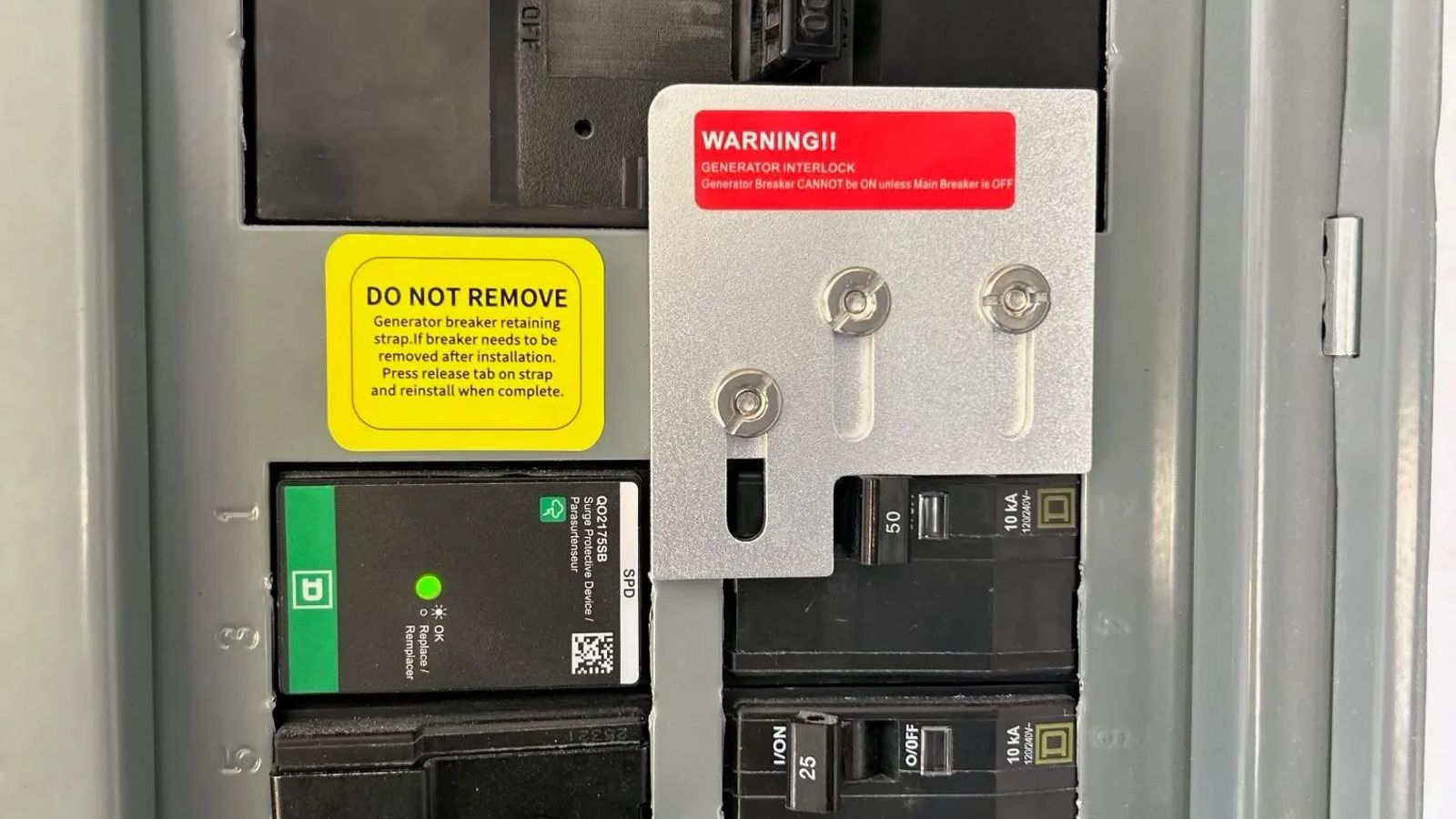
North Texas gets more than its share of severe thunderstorms, and every spring and summer brings power flickers, outages, and nearby lightning strikes. Each one can send a spike of voltage through your home's wiring. A whole-house surge protector is designed to stop those spikes at the panel.
What a whole-house surge protector does
A whole-house surge protector, also called a surge protective device or SPD, is installed at your main electrical panel or meter. When voltage jumps above a safe level, it diverts the extra energy to ground before it travels through your circuits. It protects everything wired into the house, including equipment you can't plug into a power strip: your air conditioner, water heater, range, washer and dryer, garage door opener, and well pump.
Where surges come from
- Lightning: a strike nearby, not necessarily on your house, can push a large surge through power and communication lines.
- Utility switching: when the power company reroutes power or restores service after an outage, the line can spike.
- Inside your home: large motors cycling on and off, like your AC compressor or refrigerator, create small surges many times a day. Over years, these wear down electronics.
Is it worth it?
Think about what you'd lose in one bad storm: an HVAC control board, a refrigerator, a smart TV, a home office computer. Modern appliances are full of circuit boards that are sensitive to surges. A whole-house surge protector is a one-time cost that is usually a small fraction of replacing even one of those items.
It's not a guarantee. No device can stop a direct lightning strike to the house. But it handles the far more common surges that come in on the power lines.
Whole-house vs. plug-in surge protectors
They work best together. The whole-house unit takes the big hit at the panel. Plug-in surge strips, the kind with a joule rating, give a second layer of protection for sensitive electronics like computers and TVs. A basic power strip without a surge rating doesn't protect anything.
What about the monthly surge plans from electricity providers?
Some electricity providers offer surge protection for a monthly fee. Before you sign up, read what's covered, how claims work, and what you'll pay over several years. An electrician-installed surge protector is a one-time cost that you own outright, and it protects every circuit at the panel.
Is it required by code?
Yes, in many cases. The National Electrical Code now requires surge protection whenever the electrical service to a home is installed or replaced, including panel and service upgrades. If you're having your panel replaced, your electrician will include it.
Signs you should add one now
- You've lost an appliance or electronics after a storm
- Your power flickers or goes out often
- You have a newer HVAC system, smart appliances, or a home office
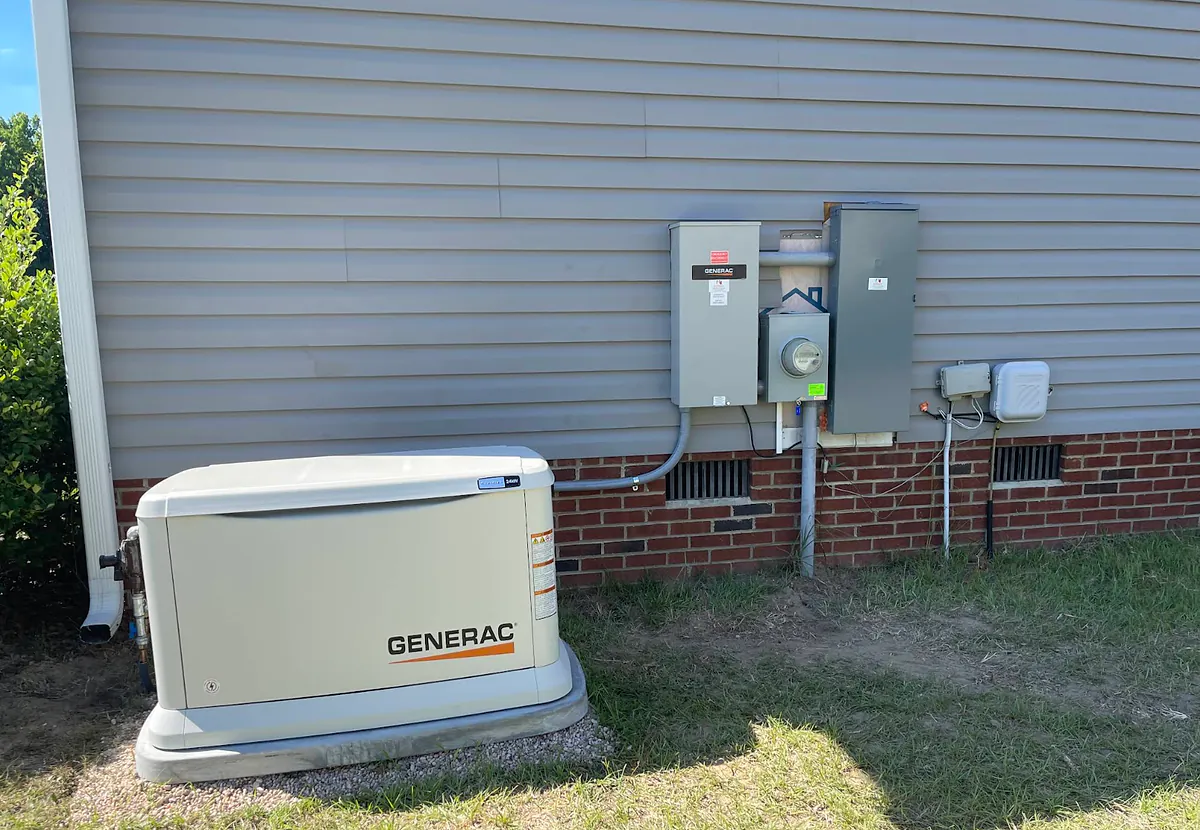
- You're adding a generator, EV charger, or solar
- You're replacing or upgrading your electrical panel
Installation usually takes an electrician an hour or two at the panel. Most units have an indicator light that shows the protection is active. If the light goes out after a major surge, the unit has done its job and should be checked or replaced. Koryente installs surge protection as part of panel upgrades and service upgrades across North Texas. The panel at the top of this page is a Koryente installation in Anna.
Common questions
Do I need a whole-house surge protector?
If you live in North Texas, have appliances with electronic controls, or lose power often during storms, a whole-house surge protector is a worthwhile safeguard. It's also required by code when a home's electrical service is installed or replaced.
Where is a whole-house surge protector installed?
At the main electrical panel or at the meter, where power enters the home. That way it protects every circuit in the house.
Will a surge protector stop a lightning strike?
It handles the much more common surges that travel in on power lines from nearby strikes and utility switching. Nothing can fully protect against a direct strike on the house.
How long does a whole-house surge protector last?
Many units last for years, but each large surge uses up part of their capacity. Check the indicator light from time to time, especially after a big storm, and replace the unit if it shows protection is lost.
Do I still need plug-in surge protectors?
Yes, for sensitive electronics. A whole-house unit is the first line of defense at the panel, and a rated plug-in surge protector adds a second layer at the device.
Related services
Not sure what you're seeing?
If a breaker, outlet, or light keeps acting up, a licensed electrician can find the cause safely.
Request service