
Electrical guide
Why does my breaker keep tripping?
A breaker that keeps tripping is protecting your wiring. Here are the common causes, what you can safely check, and when to call an electrician.
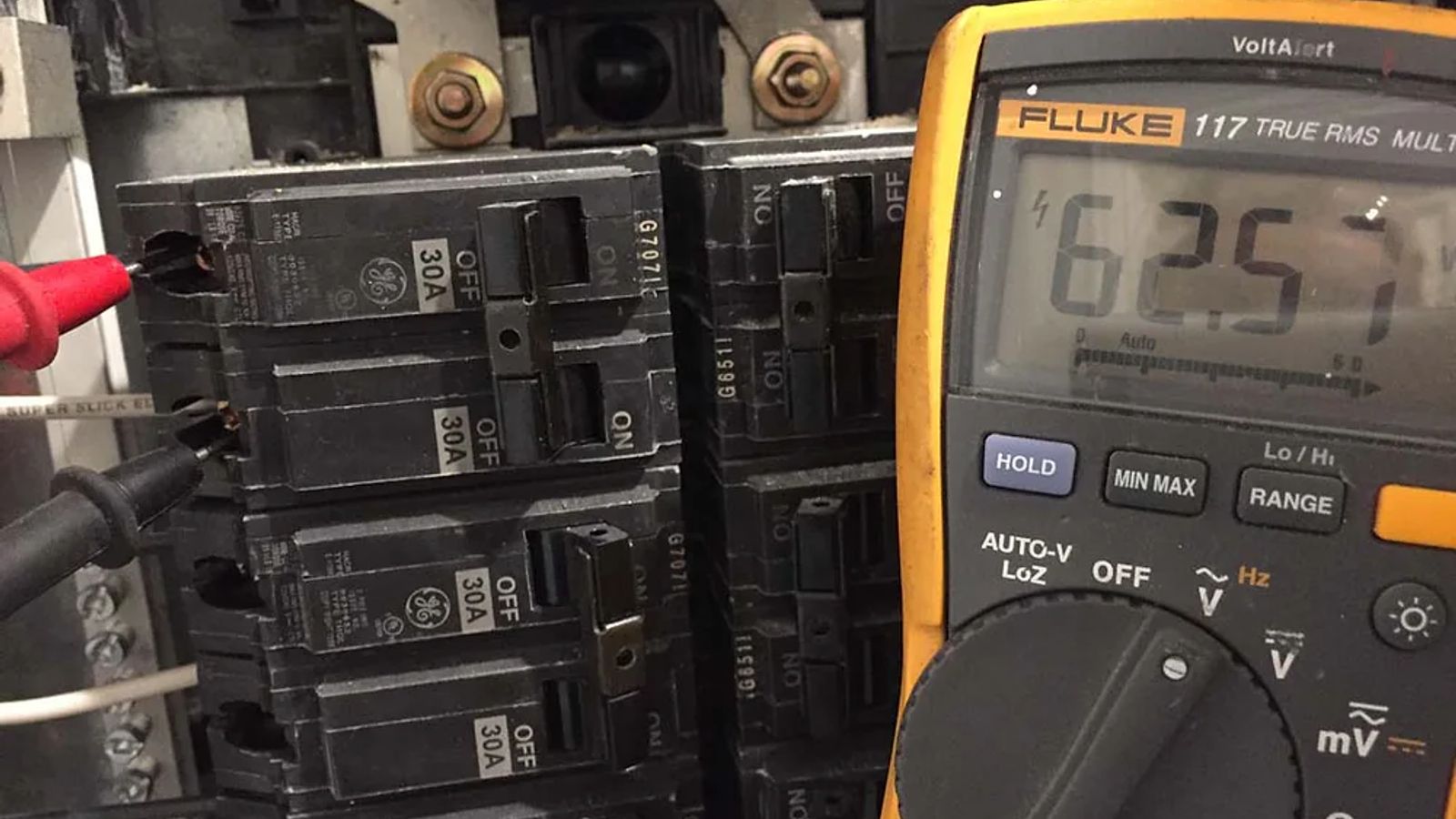
A tripped breaker is annoying, but it means the breaker is doing its job. Every breaker is sized to the wire it protects. When more current flows than that wire can safely carry, or current leaks somewhere it shouldn't, the breaker shuts the circuit off before the wire overheats. A breaker that trips once in a while usually points to a simple overload. A breaker that keeps tripping is telling you something on that circuit needs attention.
The five most common reasons a breaker keeps tripping
1. The circuit is overloaded
This is the most common cause. Space heaters, hair dryers, microwaves, window units, and vacuum cleaners all draw a lot of power. Run two of them on the same circuit and the total can exceed what the breaker allows. Overloads tend to trip after the devices have been running for a while, and the breaker resets normally once you unplug something.
2. A short circuit
A short happens when a hot wire touches a neutral wire, usually because of damaged insulation, a loose connection in a box, or a failing appliance cord. Shorts trip the breaker instantly, often with a pop or a spark. If the breaker trips the moment you reset it, treat it as a possible short and leave it off.
3. A ground fault
A ground fault is current escaping to ground, often through water. It is most common in kitchens, bathrooms, garages, and outdoor outlets. GFCI breakers and outlets are designed to catch it, which is why a GFCI breaker may trip when nothing obvious is wrong. Moisture in an outdoor box after a storm is a frequent culprit.
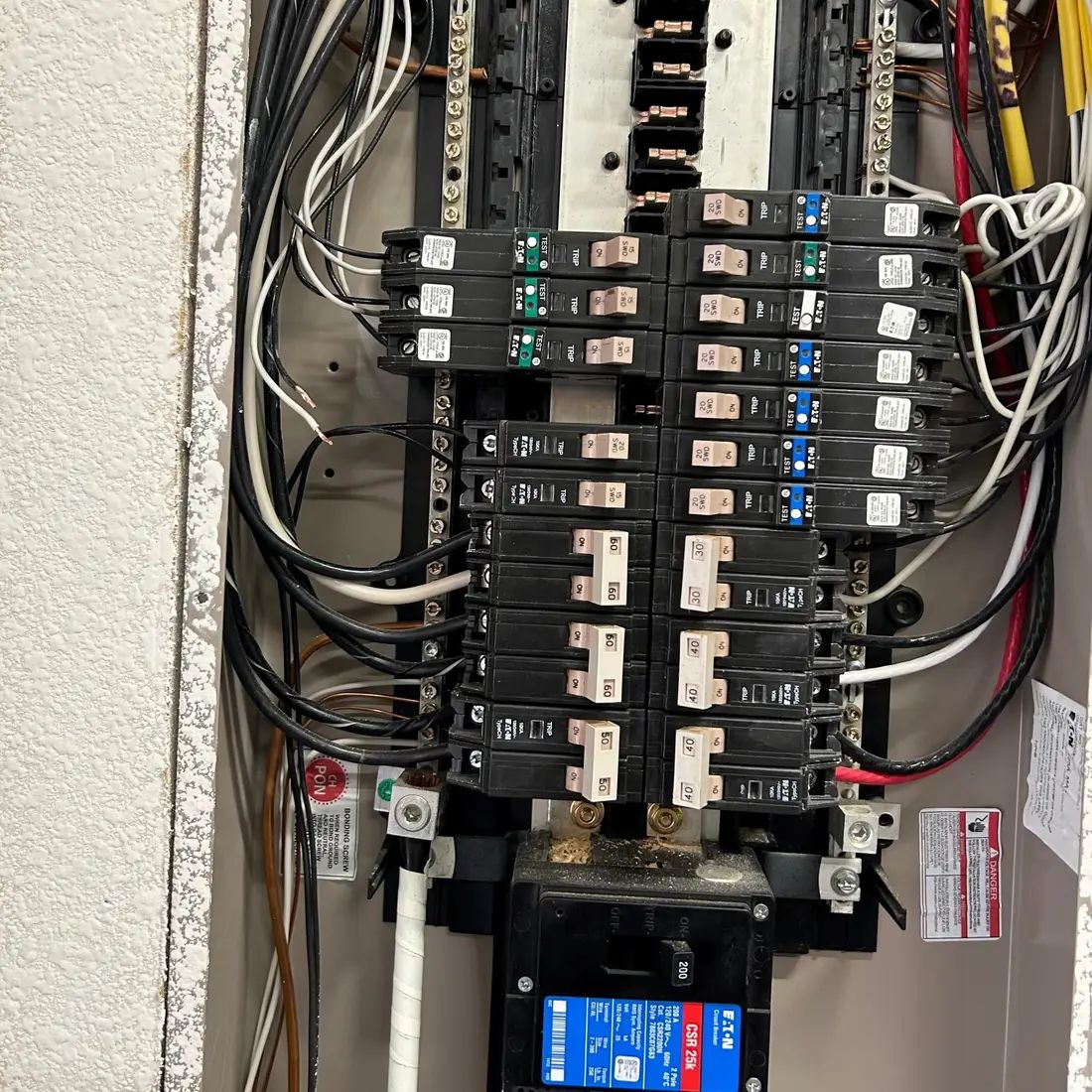
4. A worn-out or damaged breaker
Breakers are mechanical, and they wear out. An old breaker can trip below its rating, feel hot, or refuse to stay on. Some older panels, including Federal Pacific Stab-Lok and Zinsco panels, have breakers with a known history of problems. If your panel is one of those, read our guide to Federal Pacific and Zinsco panels.
5. A wiring problem
Loose connections, damaged wire, or rodent damage can cause a breaker to trip even when very little is plugged in. If a breaker trips with nothing running on the circuit, the problem is in the wiring or a fixture, not the load, and it needs an electrician to trace.
When the breaker trips as the air conditioner starts
In North Texas, air conditioners run hard for months. An AC compressor pulls a large surge of current for a moment when it starts. If the breaker for the AC trips at startup, the cause may be a failing compressor or start component, a breaker that has weakened after years of heavy summer use, or a loose connection at the disconnect. Repeated trips on the AC circuit are worth a call to both your HVAC technician and an electrician, because the fix may be on either side.
What you can safely check yourself
- Unplug or turn off everything on the circuit that tripped.
- Find the tripped breaker. It will sit in the middle position or the off position. Push it firmly to off, then back to on.
- Plug devices back in one at a time. If the breaker trips when one particular appliance starts, that appliance may be the problem.
- Move high-draw devices like space heaters to a different circuit so they don't share one breaker.
- Check any GFCI outlets on that circuit and press their reset buttons.
Never hold a breaker in the on position, tape it, or replace it with a larger breaker. A larger breaker lets the wire overheat, which is how electrical fires start.
When to call an electrician
- The breaker trips again immediately after you reset it.
- It trips with nothing plugged in or switched on.
- You smell burning, see scorch marks, or hear buzzing at the panel or an outlet.
- The breaker or panel cover feels hot.
- The same breaker trips several times a week.
- Your home has an older Federal Pacific or Zinsco panel.
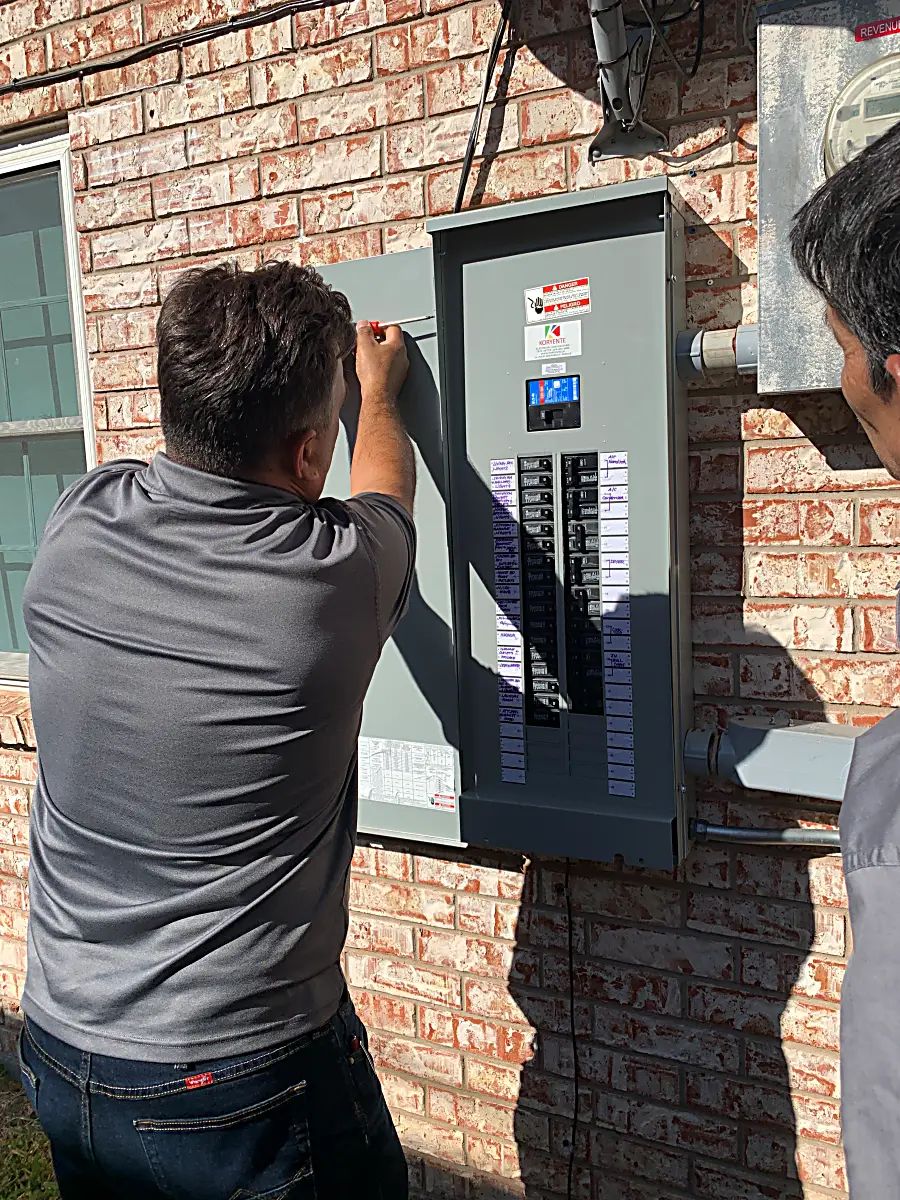
A licensed electrician can test the circuit, find the fault, and tell you whether you need a repair, a new breaker, a dedicated circuit for a heavy appliance, or more panel capacity. Koryente provides electrical troubleshooting and electrical repair for homes in Van Alstyne, Anna, Sherman, McKinney, and nearby North Texas towns.
Common questions
Is it dangerous if a breaker keeps tripping?
The tripping itself is a safety feature, but the cause can be dangerous. A short circuit, a ground fault, or a loose connection can all start a fire if ignored. If a breaker keeps tripping, find the cause rather than resetting it over and over.
Why does my breaker trip with nothing plugged in?
When a breaker trips with no load, the problem is usually in the wiring, a fixture, or the breaker itself: a short, a ground fault, a loose connection, or a worn breaker. This needs an electrician to trace safely.
Can I just put in a bigger breaker?
No. A breaker is sized to protect the wire on that circuit. A larger breaker lets the wire carry more current than it can handle, which can overheat it inside the wall. If you need more power in one place, the fix is a new dedicated circuit.
How do I reset a tripped breaker?
Turn off or unplug what's on the circuit, push the breaker firmly all the way to off, then back to on. If it trips again right away, leave it off and call an electrician.
Can a circuit breaker go bad?
Yes. Breakers wear out over time and can start tripping too easily, run hot, or fail to trip when they should. An electrician can test the breaker and replace it with the correct type for your panel.
Related services
Not sure what you're seeing?
If a breaker, outlet, or light keeps acting up, a licensed electrician can find the cause safely.
Request service