Platinum Honda of Texoma ChargePoint Station
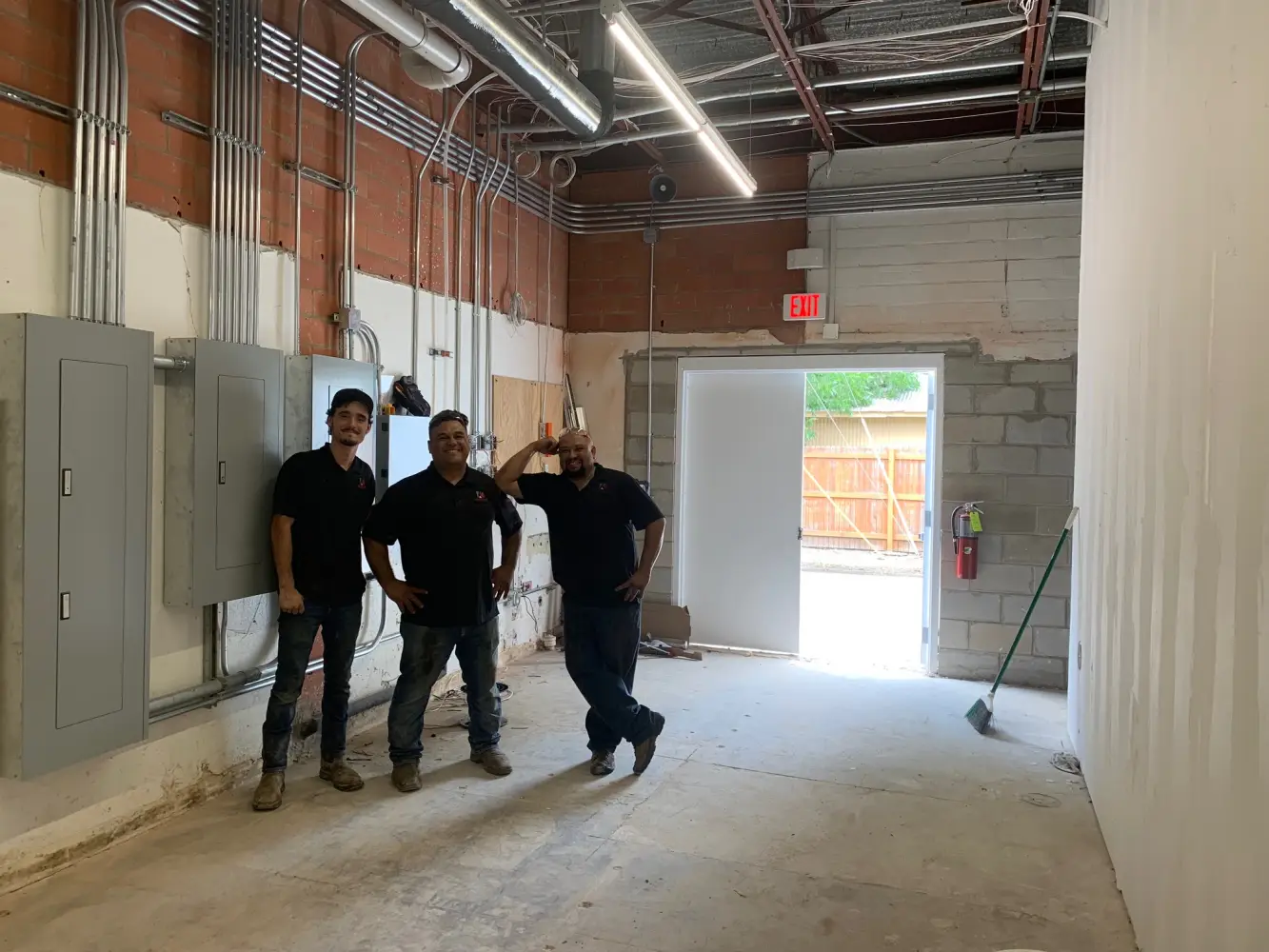
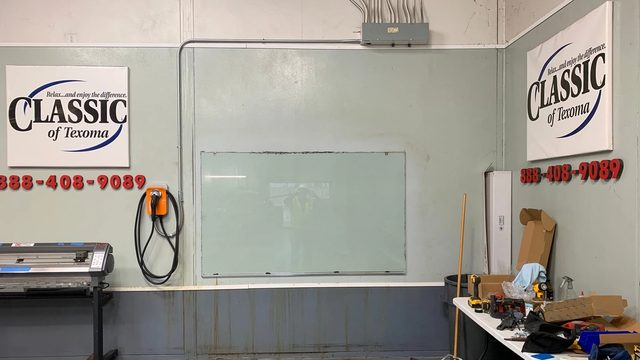
ChargePoint installation at the Honda dealership at 2020 N. US Highway 75. The public-facing station supports the dealership's visible EV-charging offering along the US 75 corridor.
View projectLicensed electrical contractor serving North Texas

Commercial electrical service
Koryente is a licensed North Texas electrical contractor and ChargePoint-certified EV charging station installer for businesses, dealerships, schools, and fleet operators. The work runs from a site and capacity assessment through commissioning — feeders, distribution, protection, and network setup for AC Level 2 and DC fast charging. Projects are sized to vehicle count and available power, not a standard package.

Our service includes
Koryente installs ChargePoint Level 2 AC stations and DC fast chargers, matched to the site's vehicle mix and capacity.
Before equipment is chosen, Koryente evaluates the existing service, distribution capacity, and parking layout to see what the site supports.
Feeders, panels, disconnects, and overcurrent protection are sized and routed to carry the added load safely.
Station location, mounting, bollards, and accessibility are worked out with the site plan before conduit goes into the ground.
Each charger is tested, commissioned, and configured on its network, with support available after installation.
Commercial EV Charging Stations project experience
Explore verified Koryente project experience connected to commercial EV charging stations and its documented electrical scope.

ChargePoint installation at the Honda dealership at 2020 N. US Highway 75. The public-facing station supports the dealership's visible EV-charging offering along the US 75 corridor.
View projectPlanning guidance
A commercial EV charging project connects equipment selection to vehicle count, dwell time, charging speed, utility service, distribution capacity, parking layout, and networking — and to how the property will operate once the station is in use.
Koryente's technicians hold ChargePoint AC and DC charging certifications, backed by a real installation: public-facing ChargePoint equipment at Platinum Honda of Texoma in Denison.
Charger ownership, network administration, pricing, and payment configuration should be identified early, since those decisions may involve the property owner or ChargePoint in addition to the electrical contractor.

What to expect
Site and capacity assessment
Koryente reviews the existing service, distribution capacity, and parking layout against the planned vehicle count and speed.
Equipment and charging-speed selection
Koryente specifies Level 2 AC stations, DC fast chargers, or a mix, with port count suited to the property.
Permitting and utility sign-off
Koryente pulls the electrical permit for the property's jurisdiction and coordinates with the utility if a service upgrade is needed.
Feeders, distribution, and installation
Feeders, panels, disconnects, conduit, and protection go in at the planned locations, with pads and bollards in scope.
Commissioning, testing, and documentation
Each charger is commissioned and tested, the work is documented, and the required inspection is coordinated before service begins.
Serving North Texas
North Texas's growth includes commercial and institutional projects alongside new housing. McKinney and Sherman both mix established facilities with newer development, which is the easiest point to plan EV charging into a project instead of retrofitting it later.
Most cities across Koryente's service area issue and inspect their own electrical permits, so a dealership, school, or business project moves through that municipality's own process; unincorporated Westminster instead routes permitting through the county. Utility coordination is separate: a DC fast-charging or multi-port site can need a service upgrade, worth flagging during the site assessment before equipment is ordered.
Common questions
The main cost drivers are the number of ports, whether the equipment is Level 2 AC or DC fast charging, how much spare capacity the existing service has, and how far the charger sits from that service. A site needing a utility upgrade costs more than one with existing headroom. Koryente quotes after a site assessment.
A licensed electrical contractor can install the wiring and equipment, but the manufacturer's own installer certification matters for warranty coverage and network setup. Koryente's technicians hold ChargePoint AC and DC charging certifications along with the Texas electrical contractor and master electrician licenses the wiring requires.
It depends mainly on how long vehicles stay parked. Level 2 AC fits sites where vehicles dwell for hours — offices, dealerships, schools — while DC fast charging suits shorter stops needing a meaningful charge in well under an hour. Many sites install a mix, matched to how the property is used.
Yes. Incorporated cities in Koryente's service area require an electrical permit and inspection for new circuits and equipment, including EV charging stations; Westminster, which is unincorporated, routes permitting through the county instead. A utility service change needs separate coordination. Koryente handles the permitting and inspection process as part of the installation.
That depends on the arrangement the property owner sets: the business, dealership, or institution can own the equipment and network account directly, or a charging network can own and operate the station under a hosting agreement. That decision should be made before installation so the electrical plan matches how it will be run.
Most commercial Level 2 and DC fast chargers can be ordered with the connector a site needs — the SAE J1772 plug used on most Level 2 stations, the CCS combo connector common on DC fast chargers, or a Tesla NACS connector or adapter for Tesla-compatible charging. Koryente confirms connector requirements during the site assessment so equipment matches the vehicles the site will actually serve.
Related commercial services
Electrical construction for offices, retail, restaurants, and tenant improvements.
Troubleshooting, additions, repairs, and upgrades for occupied facilities.
Efficient lighting upgrades for interiors, exteriors, parking, and facilities.
Organized pathways and low-voltage infrastructure for commercial environments.
Ready when you are
Start with a few details. Our team will route your request to the right residential, commercial, government, or industrial intake.