Skip to content
(214) 810-6681
Koryente LLC
Sonja Armitage“Hector was amazing!!! Excellent work!! Fast, friendly and got the job done right. Thank you Hector”

Residential electrical service

Shop Electrical Wiring in Van Alstyne & McKinney, TX

Koryente provides shop electrical wiring for garages, workshops, and outbuildings across its North Texas service area. The work covers underground feeders, subpanels, lighting, and GFCI-protected receptacles sized for the equipment that will actually run in the space. It suits a garage becoming a working shop, a new detached building, or an existing one that needs more capacity.

Licensed professionalsCode-compliant workLocally trusted
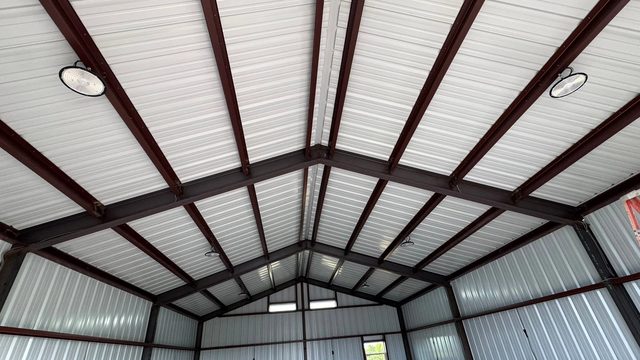
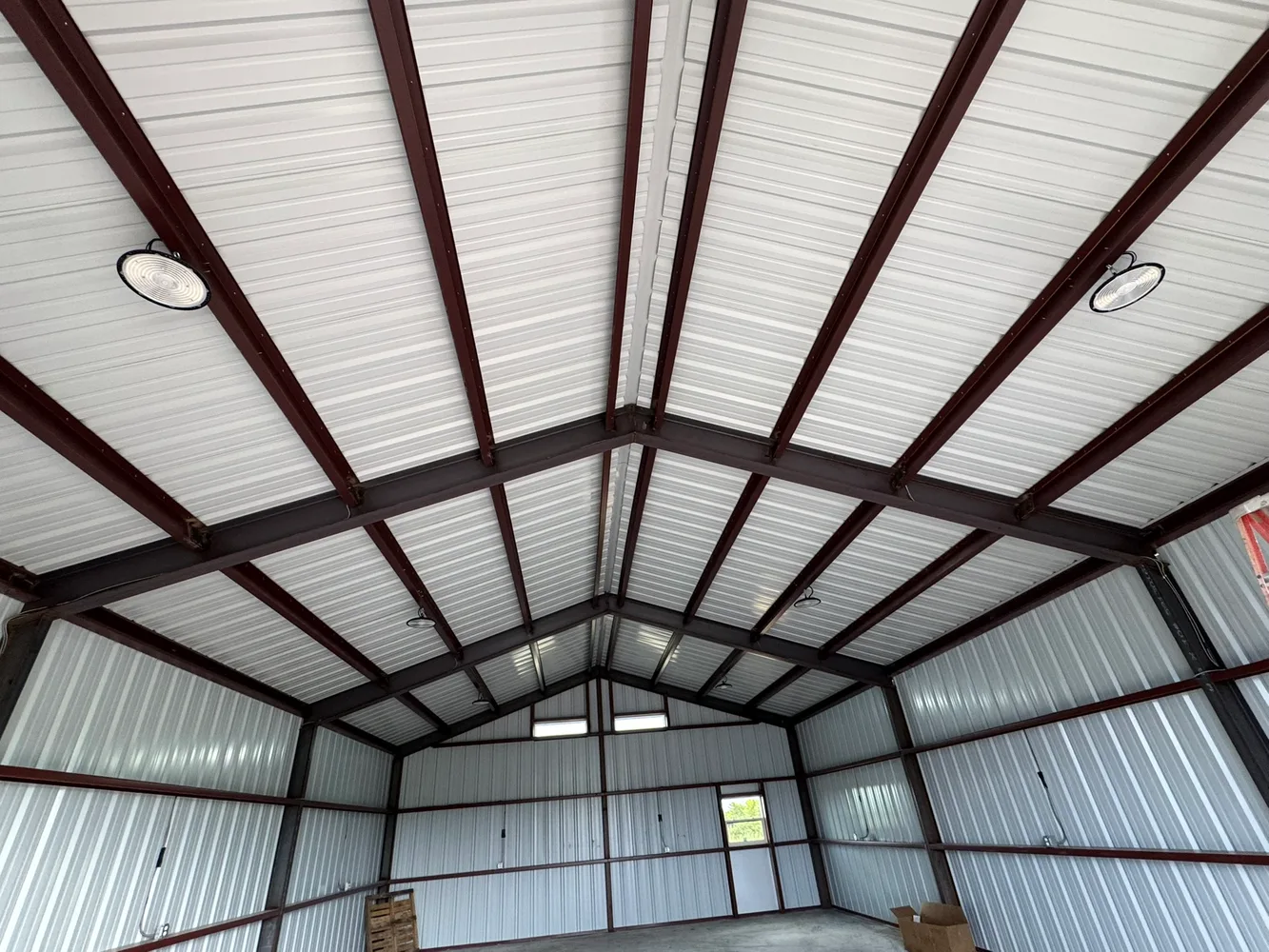
LED high-bay lights hung from the roof framing inside a new residential metal building wired by Koryente

Our service includes

What's included in a shop or outbuilding wiring project

Underground feeders to detached buildings

Koryente sizes and routes the underground feeder from the home's panel to a detached garage, shop, or barn, based on distance, soil conditions, and the building's load.

Detached-building subpanels

A right-sized subpanel inside the building organizes lighting, receptacle, and equipment circuits, with spare breaker space for the next project.

Garage and workshop lighting

Fixtures and switching are placed for real working conditions — over a bench or across an open shop floor — on a circuit separate from the receptacles.

GFCI-protected receptacles and dedicated tool circuits

General-use outlets get the ground-fault protection code requires, while welders, compressors, and other 240-volt equipment get their own dedicated circuits instead of running off a shared extension cord or power strip.

Equipment and EV charging circuits

Circuits are sized for planned equipment, including a Level 2 EV charger if the garage will double as a charging spot, instead of sharing an existing circuit.

Garage & Outbuilding Power project experience

Projects related to garage & outbuilding power

Explore verified Koryente project experience connected to garage & outbuilding power and its documented electrical scope.

Planning guidance

The load determines the wiring, not the other way around

A shop or garage's electrical needs depend on what actually runs inside it — a welder and air compressor pull differently than a workbench with hand tools and lighting. Koryente reviews the planned equipment, the distance from the existing service, and whether the run will be underground, overhead, or through conduit before sizing the feeder and subpanel. Undersizing the feeder to save on trenching is a common, costly mistake on rural properties.

Dedicated tool circuits, GFCI-protected receptacles, and spare breaker space are worth planning even on a modest budget, since retrofitting a finished shop means opening a wall or a slab already closed up. Koryente lays out receptacles, lighting, and equipment circuits together so the space matches how it actually gets used.

What to expect

How a shop wiring project comes together

  1. 1

    Site review and load planning

    Koryente walks the site, reviews the equipment expected to run there, and measures the distance and route back to the existing service.

  2. 2

    Feeder and subpanel sizing

    The feeder and subpanel are sized to the calculated load plus reasonable spare capacity, not just the equipment on hand today.

  3. 3

    Trenching, conduit, and rough-in

    Trenching, conduit, and rough wiring go in to code, routed around the building's slab, framing, and any equipment locations already set.

  4. 4

    Devices, fixtures, and final testing

    Receptacles, switches, and fixtures are installed and labeled, the subpanel is tested under load, and the finished work is verified.

Serving North Texas

Shop and outbuilding wiring across a rural service area

Detached garages, shops, and barns fall under different permitting paths depending on where the property sits. Inside an incorporated city limit, that typically means a city building and electrical permit; in the unincorporated parts of Grayson and Collin County, including Westminster, Texas law limits what a county can require for a single-family home's electrical work, so a permit may not apply at all. Koryente confirms which authority has jurisdiction, pulls the permit when one is required, and coordinates any new service point directly with the utility, since adding a feeder to an existing structure starts with confirming the main service has room for the added load.

Howe and Gunter reflect that rural character in their own electrical priorities — detached structures, acreage, and shop or workshop power alongside everyday circuits. A shop project on one of these properties often means tying a new feeder into service equipment that predates the outbuilding by years. Koryente sizes the subpanel and feeder with spare capacity for what gets added later — a welder, a compressor, or an EV charger — before any trenching starts.

Common questions

Garage & Outbuilding Power questions, answered

How much does shop electrical wiring cost?

Cost depends on the distance from the existing panel, whether the run is underground or overhead, the subpanel size, and the number of dedicated and GFCI-protected circuits needed. A site visit lets Koryente price the actual scope instead of a rough per-outlet estimate.

Do shop and garage outlets need GFCI protection?

Yes. Code requires ground-fault protection on general-use receptacles in garages and shops, since the combination of tools, moisture, and concrete floors raises shock risk. Dedicated circuits for large equipment are wired separately, with protection appropriate to the specific load and equipment.

What size wire does a shop circuit need?

Wire size follows the circuit's amperage and length, not a default gauge. A 20-amp receptacle circuit, a 240-volt tool circuit, and a long underground feeder each call for different conductor sizes. Koryente calculates gauge from the actual load and distance rather than guessing.

Can a shop subpanel be added later instead of during construction?

It can, but it costs more once the building is finished, since adding a feeder or subpanel afterward means opening finished walls or a slab. Planning circuit count and spare capacity before construction is the more cost-effective approach for a new garage or shop.

Garage & Outbuilding Power reviews

What customers say about this work

Read all reviews
“Amazing to work with! Had other electricians not show up or call back, but Felipe always did. They pulled and rewired wire to an outbuilding on the property. Showed up when they said they would and started two days earlier then planned! So nice to have power again! Also, before they left helped me troubleshoot another panel that the last electrician left with loose wiring. Will definitely call Koryente again!”
Read more of Dustin Szumowski's review
“Short version: Great job, reasonable price, I would recommend them. 5 stars! Longer Version: I'm converting a three car garage to a two car garage with studio. I needed a breaker added to my panel and all the electrical for a mini split AC unit set up. Additionally I wanted two additional overhead LED 2'x4' panel lights and an additional electrical outlet. Three guys showed up an hour before the AC company came and the job was completed before the AC company needed the power. All in all the price was fair and the work was perfect.”
Read more of Eddie Calloway's review
“Koryente wired our new shop (35x60) complete from electrical service, LED lighting, areas for future use and specialty outlets for the welder and air compressor. They were efficient and great to get along with. Felipe was there to help in the design and to answer any questions I had. We will have Koryente come back when we start the house. To top it all off... the prices were very affordable!”
Read all reviews

Ready when you are

Tell us what your electrical project needs

Start with a few details. Our team will route your request to the right residential, commercial, government, or industrial intake.

Request electrical service

Prefer to talk? (214) 810-6681

Pick your project type and share a few details. We’ll route it to the right team.