Skip to content
(214) 810-6681
Koryente LLC
Sonja Armitage“Hector was amazing!!! Excellent work!! Fast, friendly and got the job done right. Thank you Hector”

Industrial electrical service

Home Automation Lighting & Controls Wiring in North Texas

Koryente, a licensed Texas electrical contractor (TDLR #32774), installs the electrical wiring behind home automation lighting, whole-home control platforms, and industrial building controls across North Texas. The work is the circuits, dedicated wiring, and panel capacity that dimmers, scene switches, control panels, and automation equipment actually run on — not the app, the programming, or the integration platform itself. Homeowners working with a lighting-control dealer and facility teams running automated equipment both start from the same electrical backbone Koryente designs, installs, and troubleshoots.

Licensed professionalsCode-compliant workLocally trusted
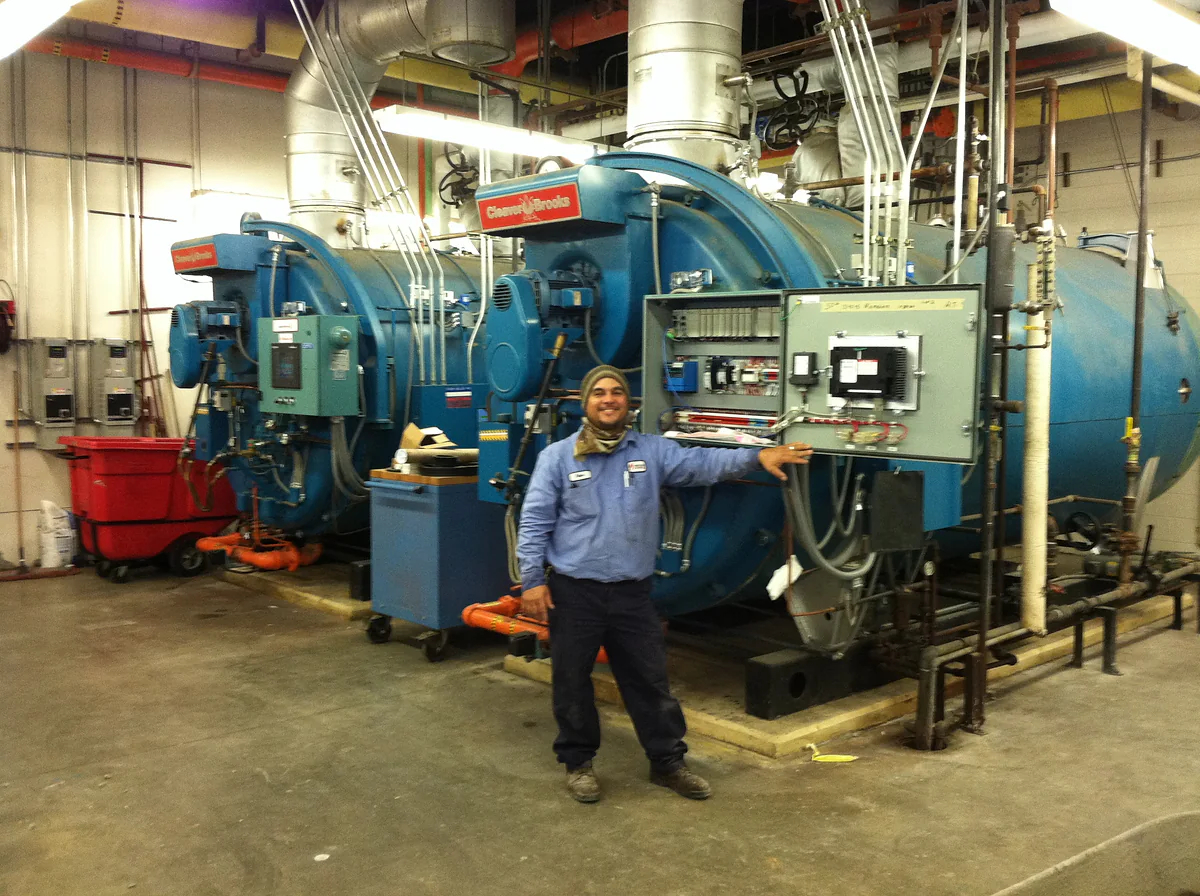
Felipe Torres of Koryente at an industrial boiler control panel in a plant boiler room

Our service includes

What's included in controls and automation electrical work

Automated and smart lighting controls

Dimmers, scene switches, and lighting-control platforms need the right conductor at the box — most smart dimmers require a neutral wire — and a dimmer rated for the actual load. Koryente wires and troubleshoots that circuit to the brand's installation requirements.

Whole-home automation wiring

Lighting, shades, security, and equipment tied together under one whole-home platform need dedicated circuits, low-voltage pathways, and panel room for the hub or network equipment running it. Koryente builds that wiring backbone for the platform an integrator installs.

Industrial and building controls wiring

Control panels, sensors, and automated equipment in commercial and industrial facilities need power and field wiring installed around the facility's operating schedule and isolation requirements. Koryente handles that electrical side so equipment a controls engineer specifies runs on a dependable circuit.

Panel capacity for automation and network equipment

A hub, network rack, low-voltage power supply, or control processor often needs its own breaker space and dedicated circuit rather than a shared outlet. Koryente reviews existing panel capacity before automation equipment is installed, not after it's already been ordered.

New-construction and retrofit automation wiring

New construction allows lighting-control and low-voltage wiring to be planned and run before drywall closes. A retrofit means fishing new conductors — including a neutral wire where none exists — into finished walls without unnecessary demolition.

Signs the wiring needs attention before automation goes in

  • A switch box with no neutral wire, ruling out many smart dimmers and scene controls until wiring is added
  • A panel with no open breaker space for a hub, network rack, or low-voltage power supply
  • A dimmer that buzzes, flickers, or won't fully turn off an LED fixture — usually a load-type mismatch, not a defective dimmer
  • A control panel or automated equipment running on wiring that predates the equipment it now powers

Controls & Automation Electrical project experience

Projects related to controls & automation electrical

Explore verified Koryente project experience connected to controls & automation electrical and its documented electrical scope.

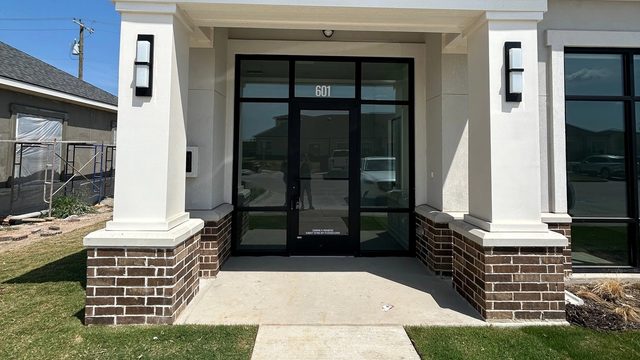
Finished entrance of a single-story office building at The Offices at McKinney Crossing in McKinney, Texas
CommercialCommercial office park · McKinney, TexasMcKinney, TX

The Offices at McKinney Crossing Office Park

Koryente delivered full-cycle electrical construction for The Offices at McKinney Crossing, a 17-building office park in McKinney, Texas, built by Pivotal Construction for CloudLoft Development, from underground secondaries and a 600-amp meter pack on every building to lighting controls.

View project

Showing 3 of 4 related projects

Planning guidance

Wiring is the backbone a lighting-control or controls platform runs on

A lighting-control platform, a whole-home automation system, and an industrial controls panel all depend on the same thing before any app, sensor, or touchscreen gets involved: correctly wired circuits, the right conductor for the load, and a panel with room for the equipment. Koryente installs and troubleshoots that electrical layer — not the programming or network configuration a lighting-control dealer, integrator, or controls engineer typically handles.

For a home, that means confirming whether existing switch boxes have the neutral conductor most smart dimmers require, whether the panel has breaker space for a hub, and whether the system is going into open walls or finished ones. For a facility, it means field wiring planned around isolation procedures and the operating schedule.

Koryente works alongside the dealer or controls engineer who specifies and programs the system, supplying the wiring their plan calls for — keeping the electrical work code-compliant and the platform's warranty intact.

What to expect

How Koryente wires an automation or controls project

  1. 1

    System and wiring review

    Koryente reviews the equipment being installed — a lighting-control brand, a whole-home platform, or a control panel — along with existing switch boxes and panel capacity before any conductor is run.

  2. 2

    Electrical and circuit plan

    Dedicated circuits, low-voltage pathways, and conductor routing get mapped to the equipment's own installation requirements, coordinated with the dealer or controls engineer's specifications rather than a generic assumption.

  3. 3

    Permit and facility coordination

    Koryente pulls the electrical permit for a residential project's jurisdiction, or coordinates isolation procedures and scheduling around a facility's operating hours for industrial controls work.

  4. 4

    Rough-in, retrofit, or field wiring

    New-construction wiring goes in before drywall closes the walls; a retrofit means fishing conductors into finished walls without unnecessary demolition; industrial work means field wiring control panels, sensors, and equipment connections.

  5. 5

    Testing and handoff

    Every circuit is tested against the equipment's requirements, then handed off to the lighting-control dealer, integrator, or facility team for programming and commissioning, confirming the wiring supports what their system needs.

Serving North Texas

Automation and controls wiring across a growing region

McKinney's mix of historic fabric, mature subdivisions, and continued residential growth means a whole-home automation project can start from two different conditions: switch boxes with no neutral conductor in older sections of the city, or open walls in newer construction where lighting-control wiring can be planned before drywall goes up. Growth areas like Anna see more of the second condition, where that wiring gets planned alongside the rest of the electrical work instead of retrofitted in later.

Sherman's mix of established neighborhoods and active commercial and industrial development is where Koryente's controls-systems experience applies directly — field wiring for control panels and equipment scheduled around a facility's operating hours rather than a residential timeline. Incorporated cities across the service area each issue and inspect their own electrical permit; Westminster's unincorporated status works differently, and Koryente confirms what applies to the address before scheduling either type of project.

Common questions

Controls & Automation Electrical questions, answered

Does home automation lighting need an electrician, or can an integrator handle everything?

A lighting-control dealer or integrator typically handles equipment selection, programming, and scene design, but the wiring underneath it — the neutral conductor at the switch box, a load-compatible dimmer circuit, panel capacity for hubs — is electrical work. Whole-home systems, new-construction rough-in, and any project touching the panel should involve a licensed electrician alongside the integrator, not instead of one.

Do smart dimmers and scene switches need a neutral wire?

Most smart dimmers and scene switches need a neutral conductor at the box to power their electronics, and many homes built before that was standard don't have one there. Where a box lacks a neutral, the options are running one to it, choosing dimmer-specific no-neutral equipment, or relocating the control point — Koryente evaluates the box before recommending which.

Do smart lights or home automation raise the electric bill?

The lighting itself uses roughly the same energy whether it's switched manually or automatically — dimming and scheduling typically reduce usage by cutting output when full brightness isn't needed and turning things off on a timer instead of by memory. Any bill increase usually traces back to added devices or always-on hub equipment, not the wiring or the control method.

What's the difference between a few smart lighting devices and whole-home automation?

A handful of smart bulbs or a single smart switch is largely a plug-and-program project with minimal wiring involved. Whole-home automation ties lighting, shades, security, and other equipment together under one platform, which needs a dedicated wiring backbone — circuits, low-voltage pathways, panel capacity — planned as one system rather than added device by device.

What's involved in wiring for industrial or building controls systems?

It covers the power and field wiring for control panels, sensors, and the equipment they operate — conductor sizing, protection, and terminations matched to what the controls engineer specified, installed under the facility's isolation and lockout procedures. Koryente supports that electrical scope alongside the engineer who programs and commissions the system.

What determines the cost of automation or controls wiring?

Cost is driven by whether the project is rough-in or a retrofit into finished walls, how many circuits and switch locations are involved, whether the panel has existing capacity or needs added breaker space, and, for industrial work, how many control panels are involved. Koryente quotes based on the specific system after reviewing the plan.

Ready when you are

Tell us what your electrical project needs

Start with a few details. Our team will route your request to the right residential, commercial, government, or industrial intake.

Request electrical service

Prefer to talk? (214) 810-6681

Pick your project type and share a few details. We’ll route it to the right team.