Skip to content
(214) 810-6681
Koryente LLC
Sonja Armitage“Hector was amazing!!! Excellent work!! Fast, friendly and got the job done right. Thank you Hector”

Industrial electrical service

Industrial Electrical Contractor in North Texas — Minimal Disruption

Koryente is a licensed industrial electrical contractor supporting manufacturing plants, warehouses, and processing facilities across North Texas with power distribution, equipment connections, and corrective electrical work. Projects are scoped around the facility's existing distribution, the equipment involved, and the production schedule, not handled as an oversized commercial service call. Koryente holds a GSA Multiple Award Schedule contract (47QSHA22D000C) alongside TDLR Electrical Contractor license #32774 and Master Electrician license #404729, credentials facility and procurement teams can verify directly.

Licensed professionalsCode-compliant workLocally trusted
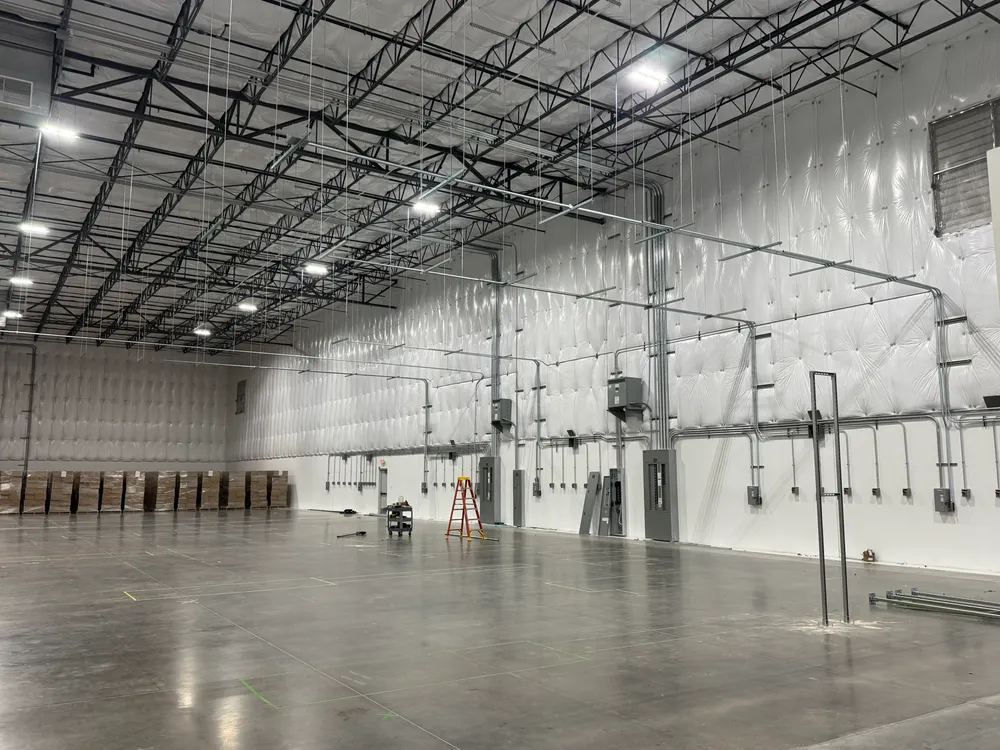
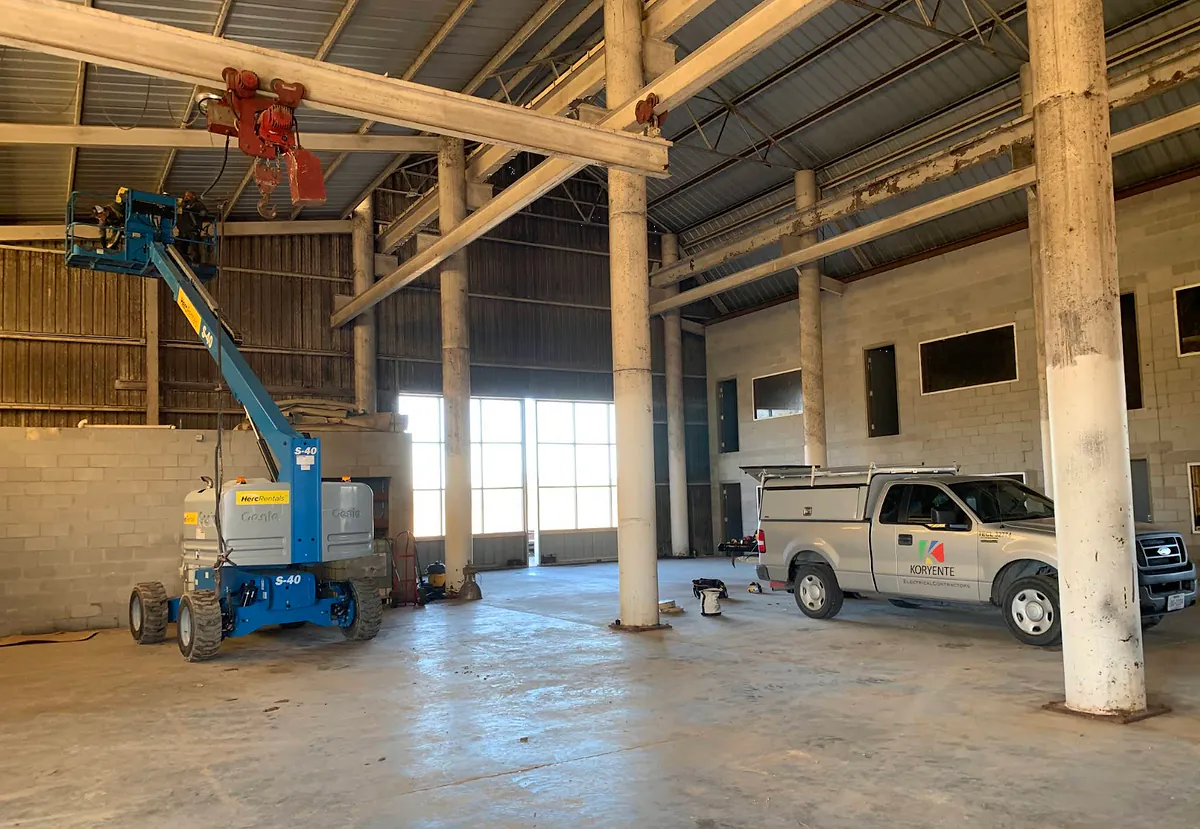
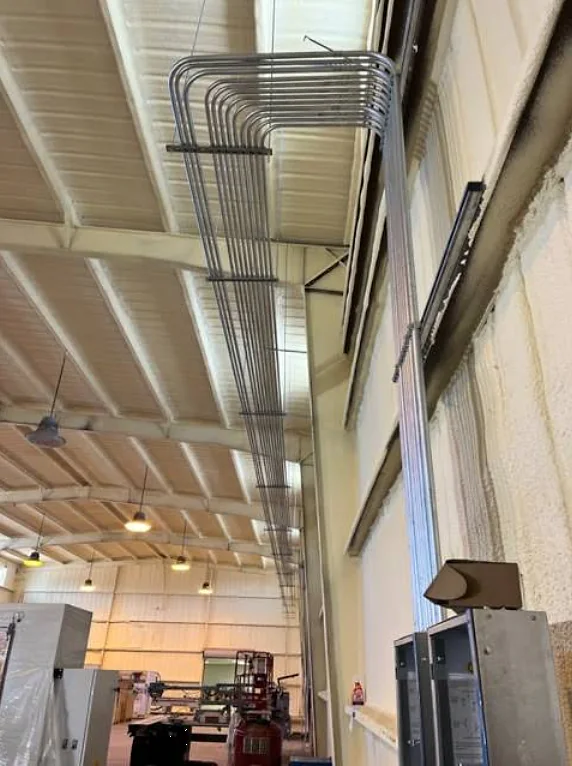
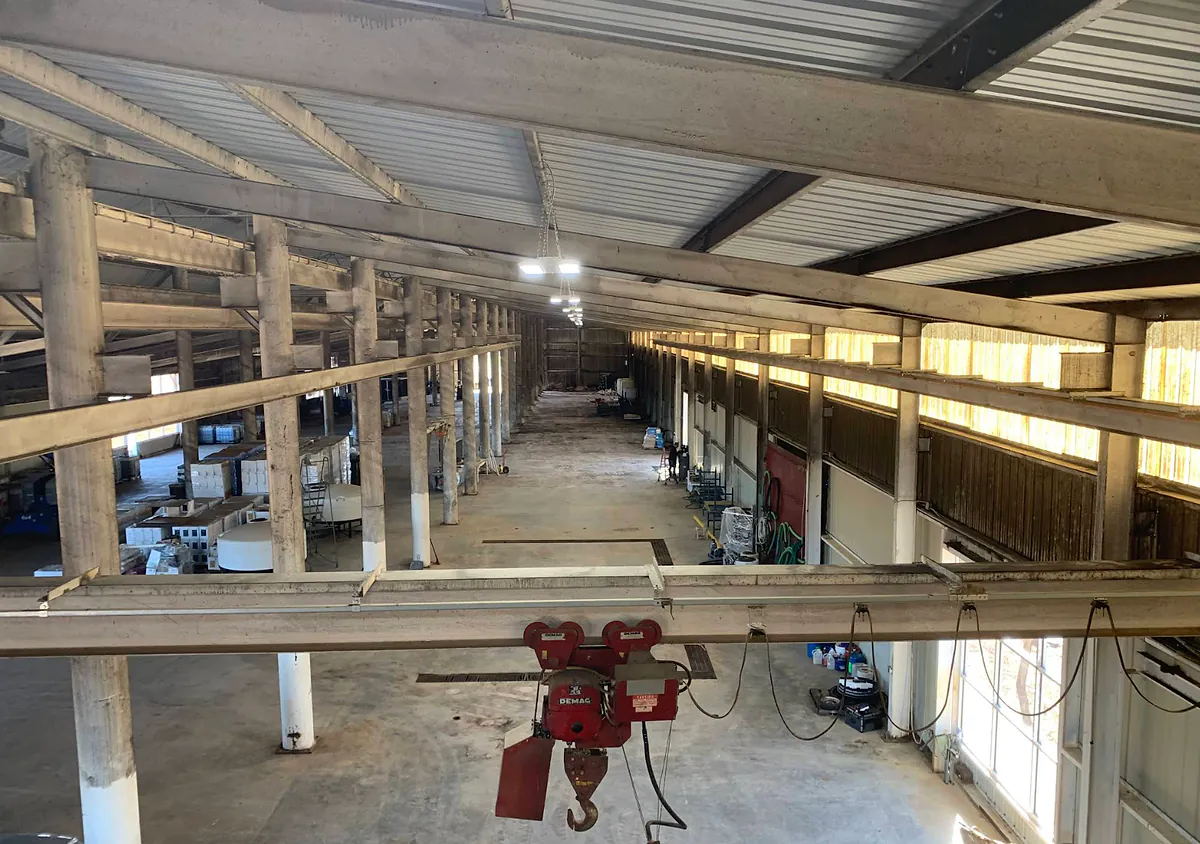
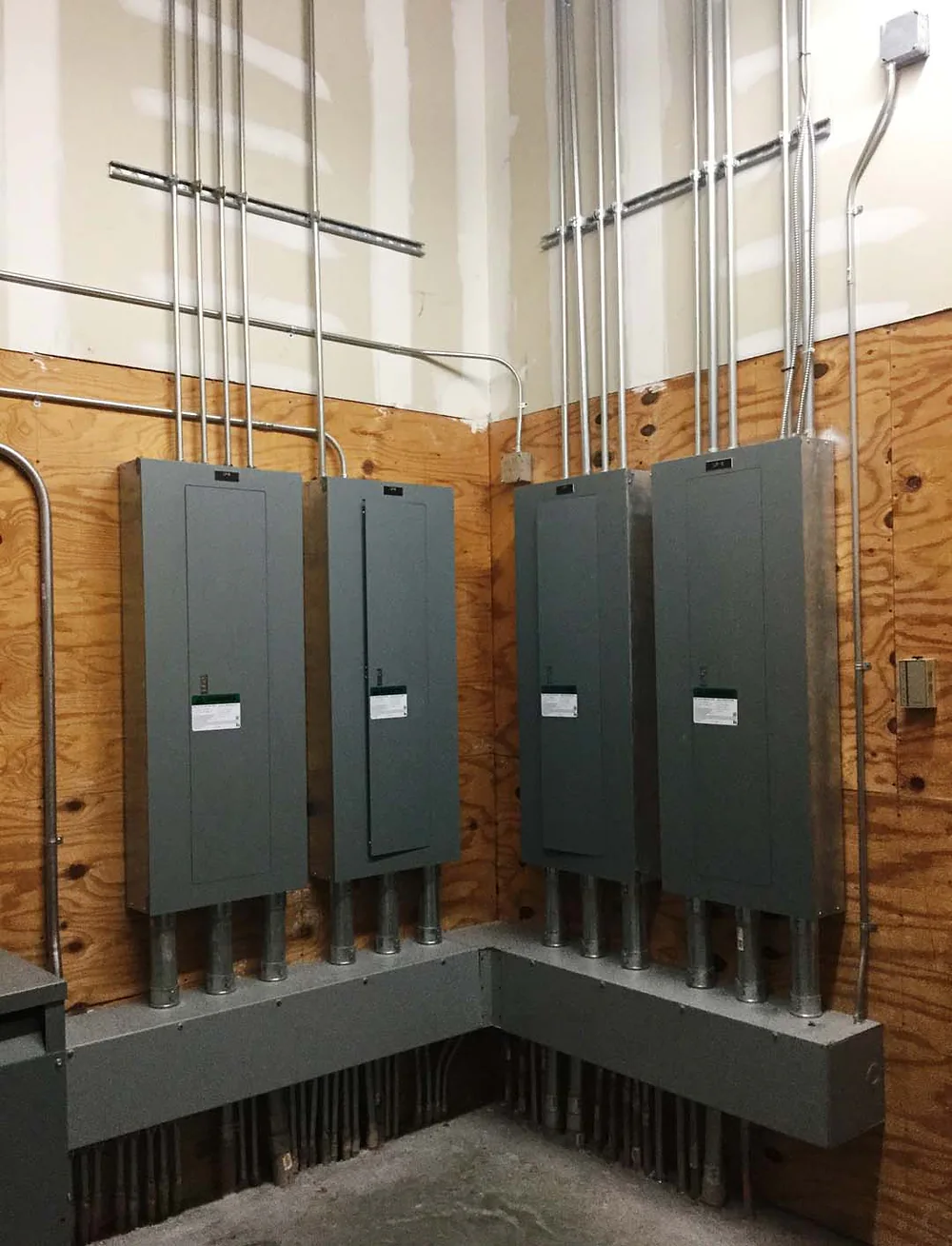
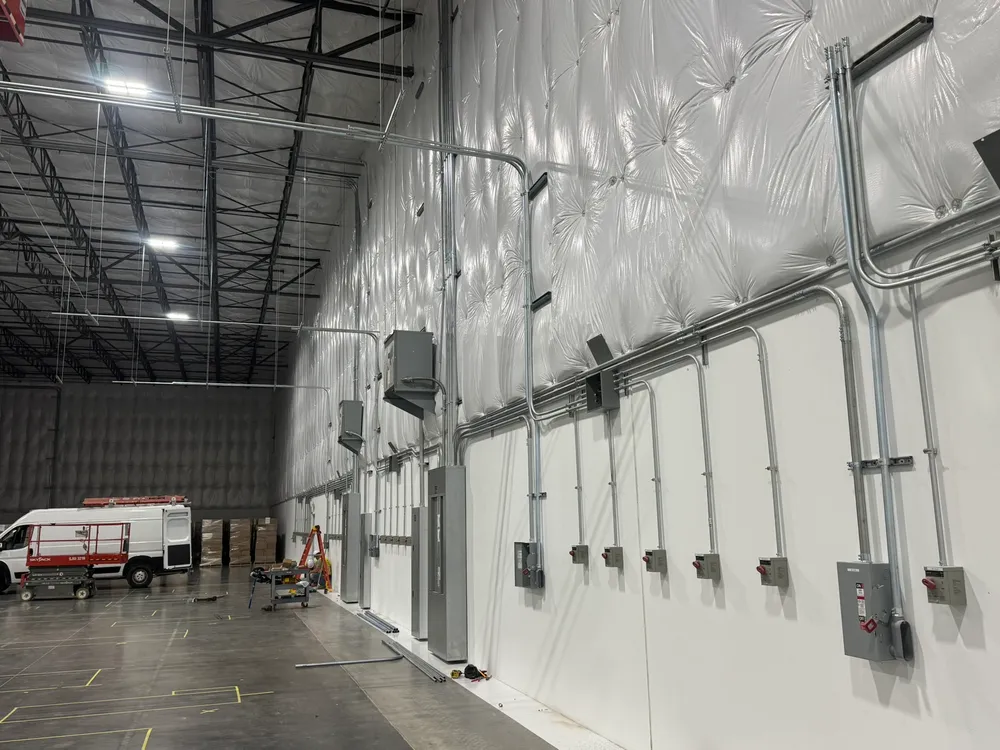
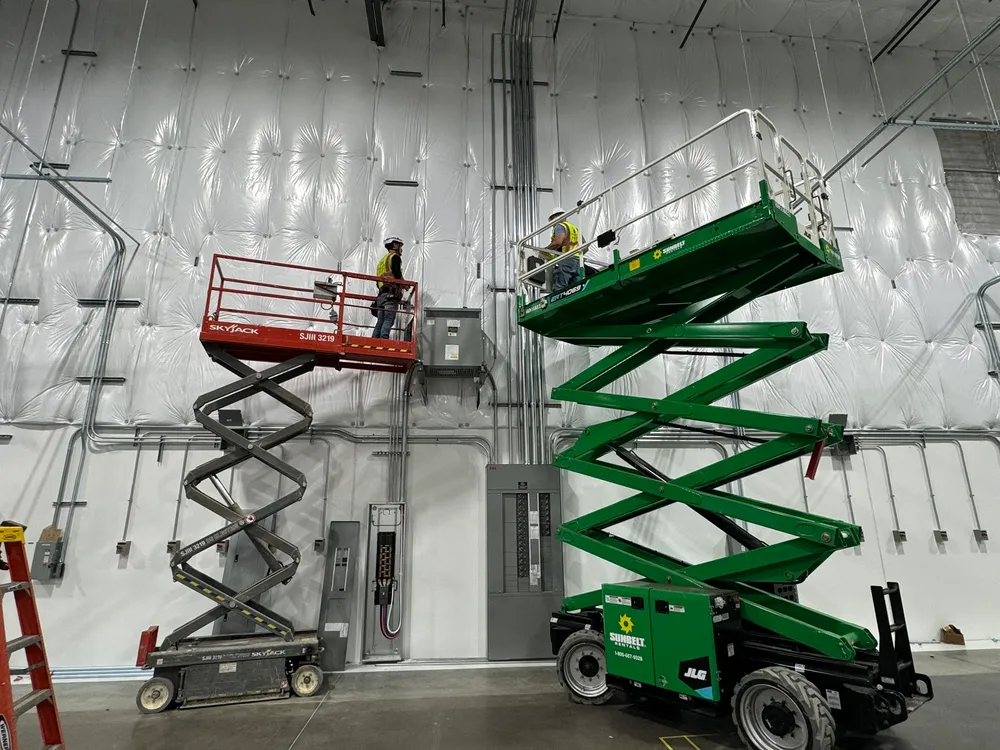
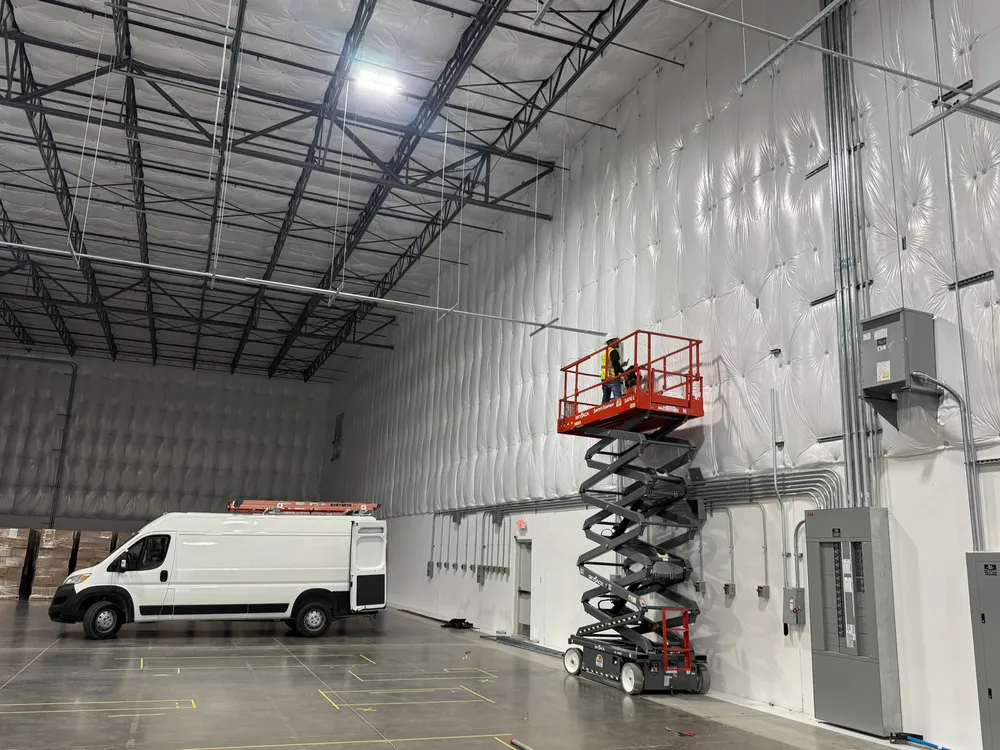
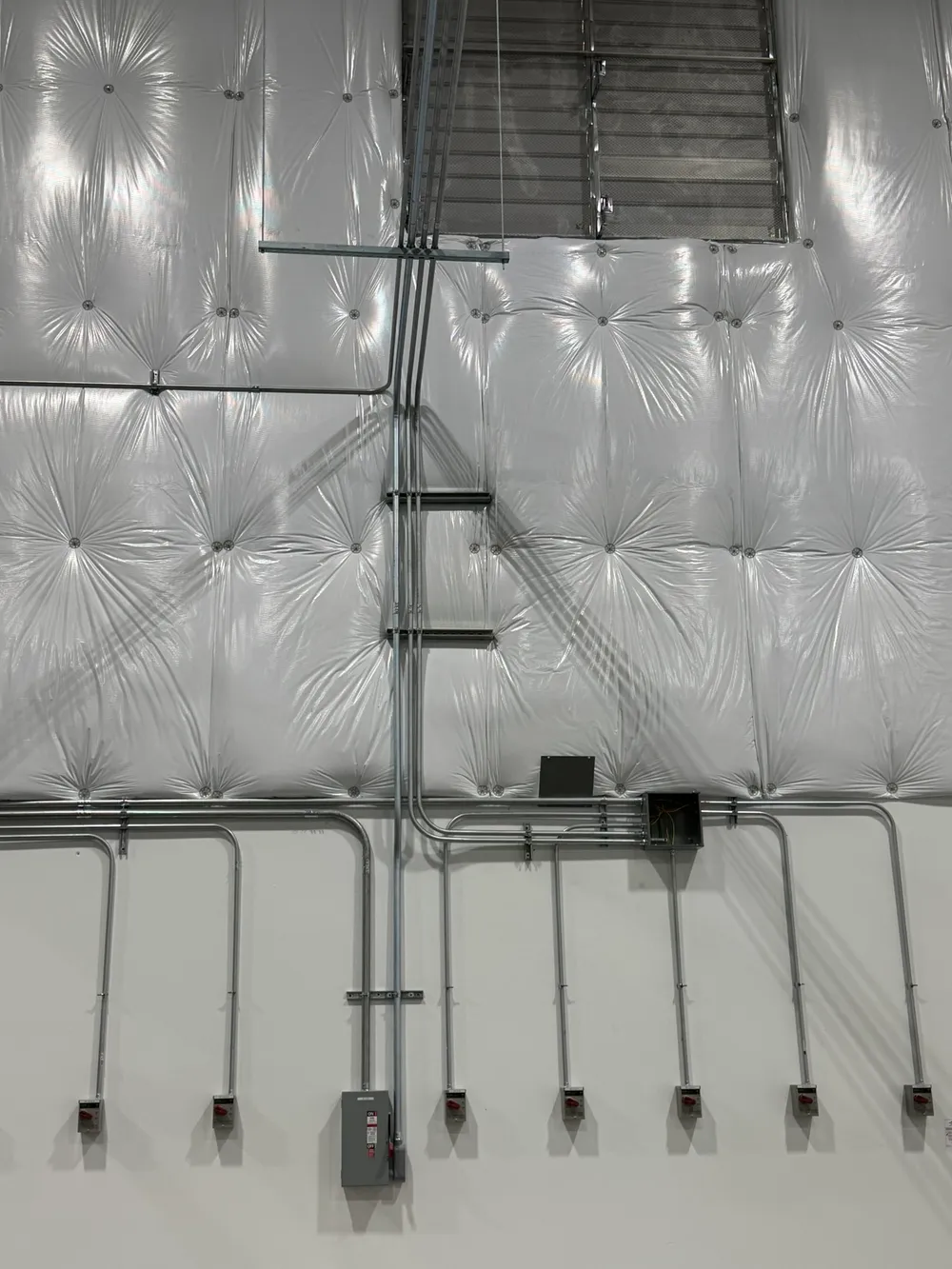
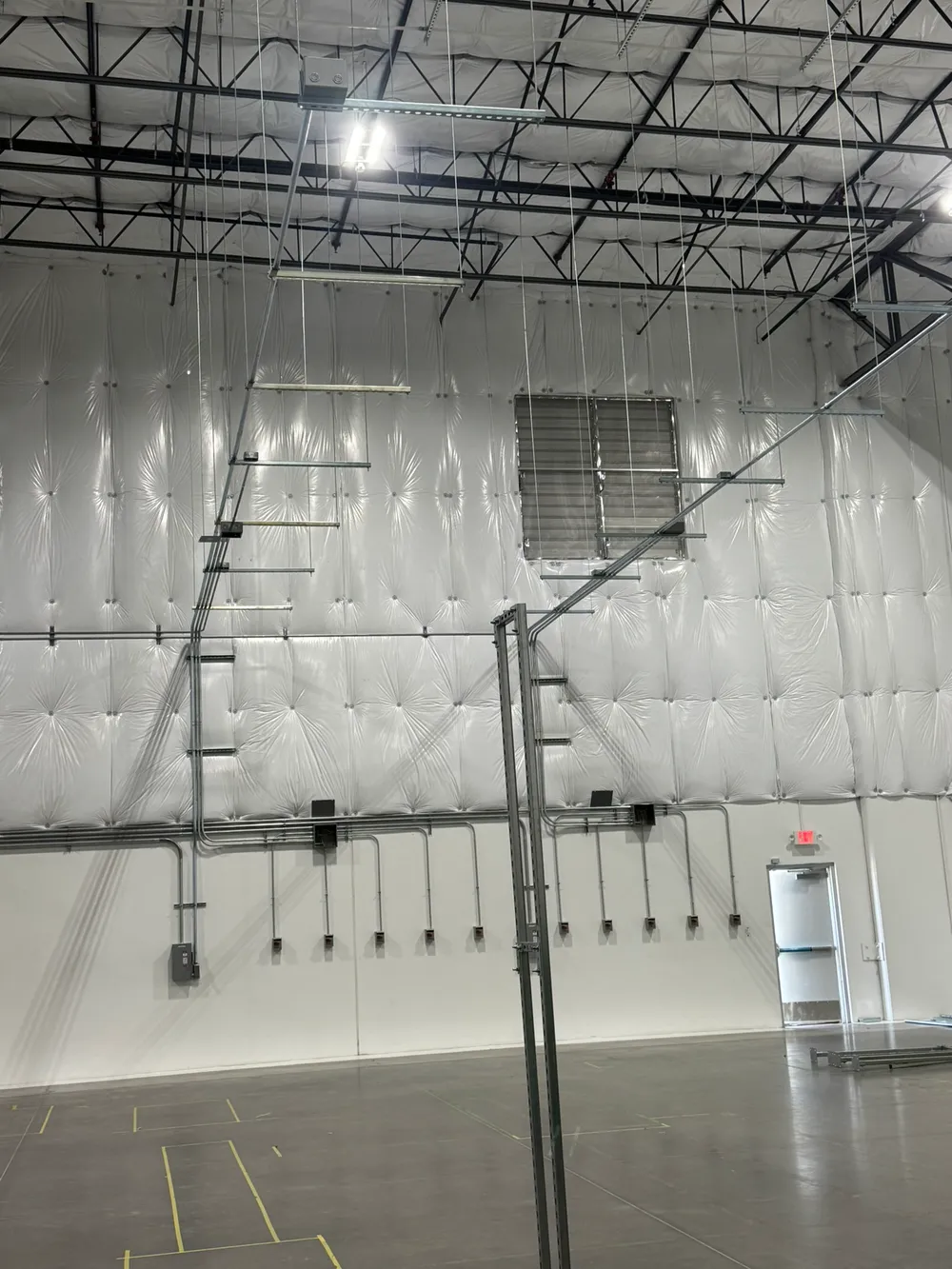
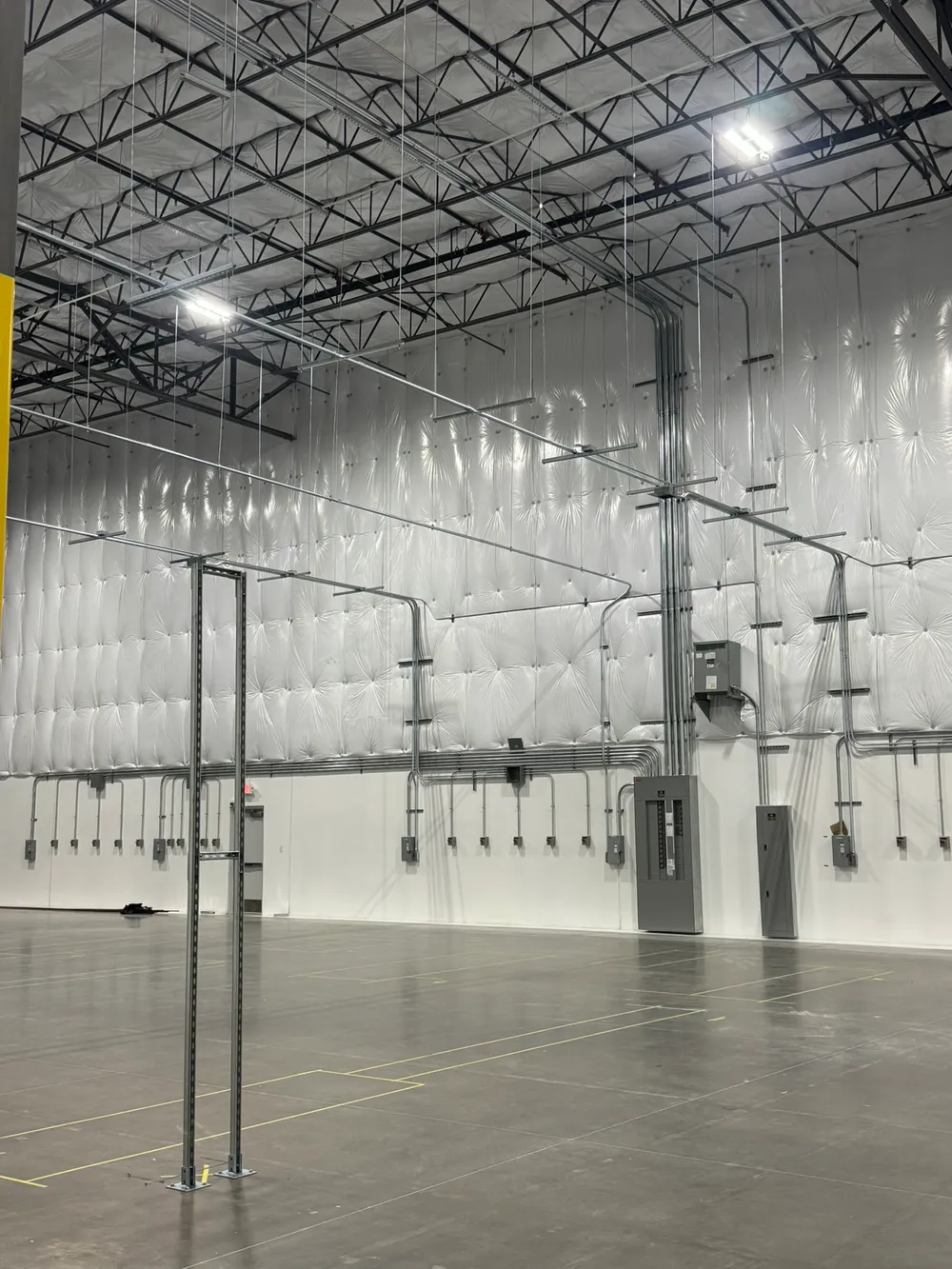
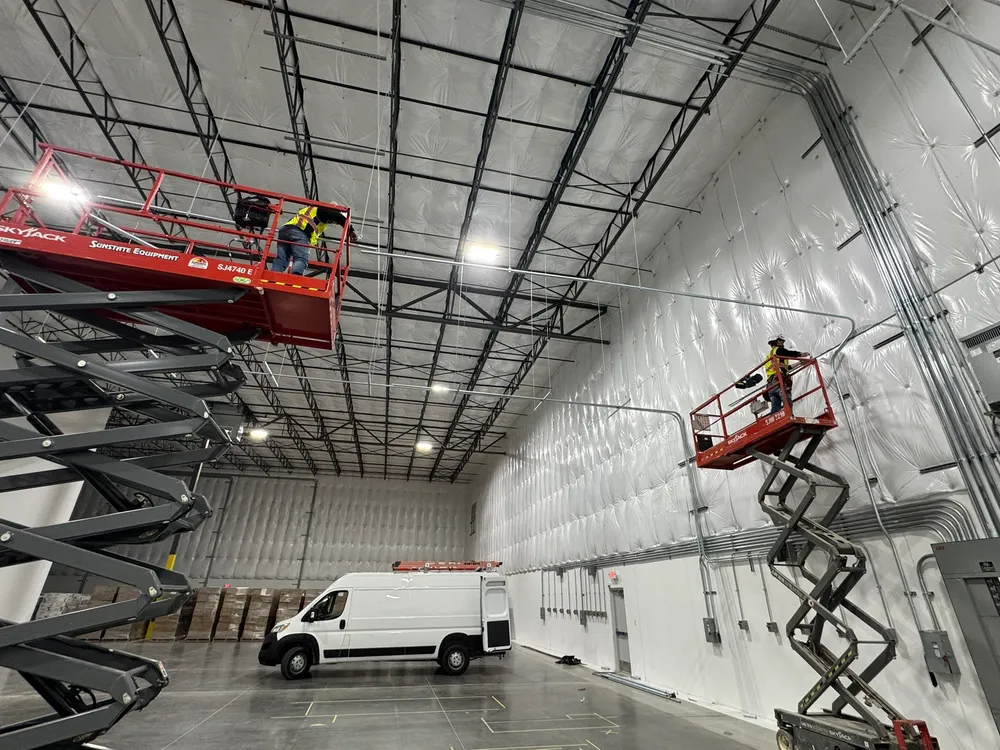
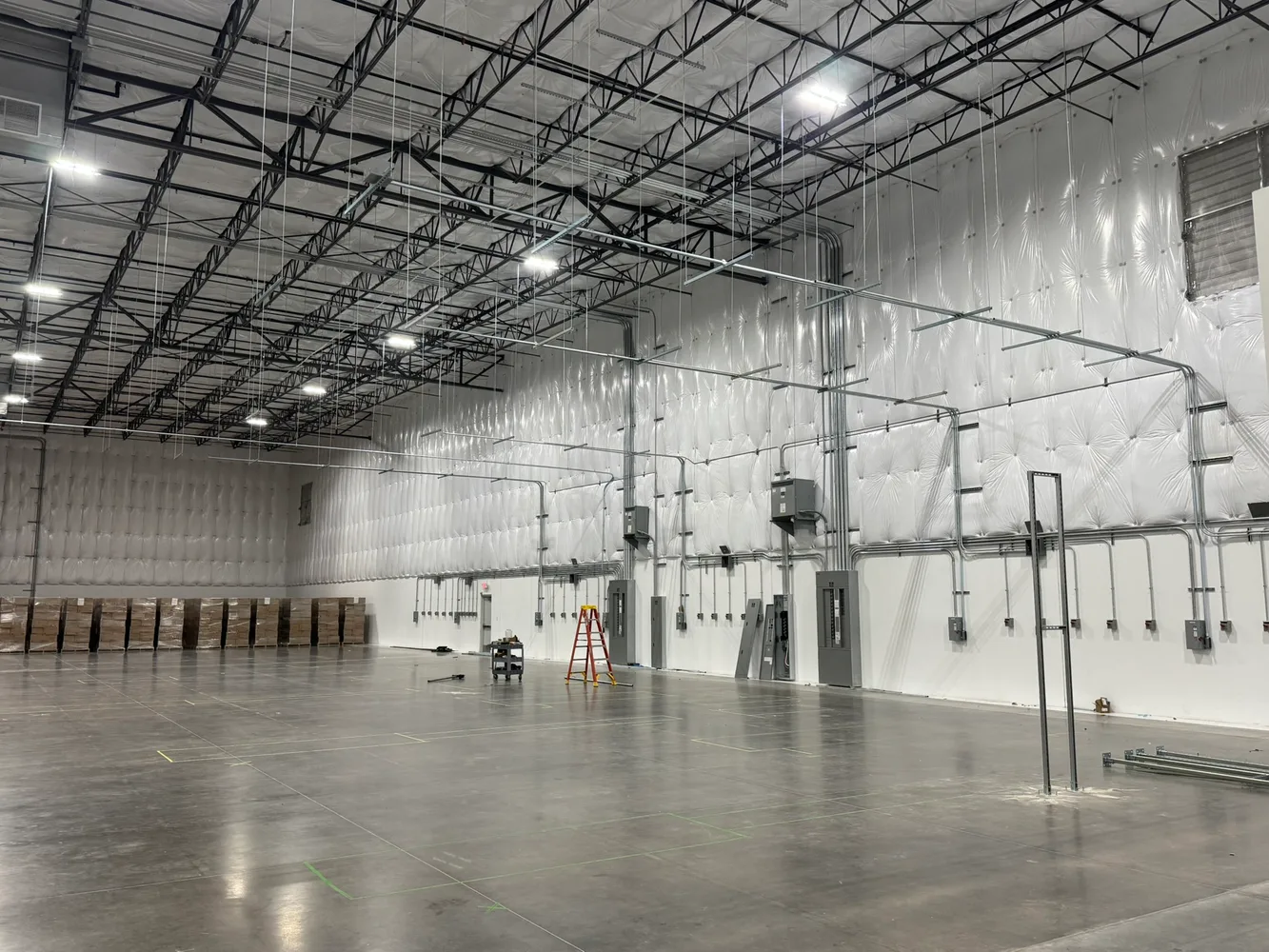
New industrial warehouse with conduit runs, panelboards, and receptacle drops along the insulated wall

Our service includes

Industrial power distribution, equipment connections, and corrective work

Power distribution and feeder upgrades

Feeders and distribution equipment are sized to the facility's actual load before Koryente recommends adding capacity.

Equipment and machine electrical connections

Motors and production equipment are connected with circuits and protection matched to nameplate rating and duty cycle.

Panel, switchgear, and disconnect work

Panels, switchgear, and disconnecting means sized for industrial loads are installed or corrected as part of a capacity review, not a straight swap.

Troubleshooting and corrective electrical repair

Nuisance trips and equipment that won't hold power are traced to their actual cause through testing, not solved by replacing parts until something works.

Shutdown and continuity coordination

Work requiring an outage is scoped around the facility's available window and the lines it affects, agreed with staff before the date is set.

Industrial and warehouse lighting circuits

Circuits for high-bay, task, and exterior lighting are sized and protected as part of the same load review as the equipment sharing their panel.

Signs a facility needs an electrical review

  • Breakers or feeders that trip under normal production loads, not just a surge
  • Equipment that trips its own disconnect or runs hot during a full shift
  • Panels or switchgear that feel warm, hum, or show corrosion
  • Lighting or nearby circuits that dim noticeably when large equipment starts
  • New equipment or expansion plans that will exceed current capacity

Industrial Power Systems project experience

Projects related to industrial power systems

Explore verified Koryente project experience connected to industrial power systems and its documented electrical scope.

Showing 3 of 4 related projects

Planning guidance

Industrial electrical work is planned around the facility, not just the equipment

A facility's electrical needs rarely show up as a single, isolated request. Distribution capacity, motor loads, panel condition, and lighting circuits usually interact, so a change in one area can affect what the others safely carry. Koryente reviews the existing distribution and equipment before recommending a repair, a capacity change, or a new connection.

Most industrial work also has to fit inside a production schedule instead of a convenient afternoon. Koryente identifies early what requires a full shutdown, what can run on a partial isolation, and which lines are affected, so staff can plan the outage instead of absorbing it as a surprise. Some conditions are corrected in one visit; others depend on parts availability or a scope that grows once a panel is opened, and Koryente says which category applies as soon as the evaluation makes that clear.

What to expect

What to expect from an industrial electrical project

  1. 1
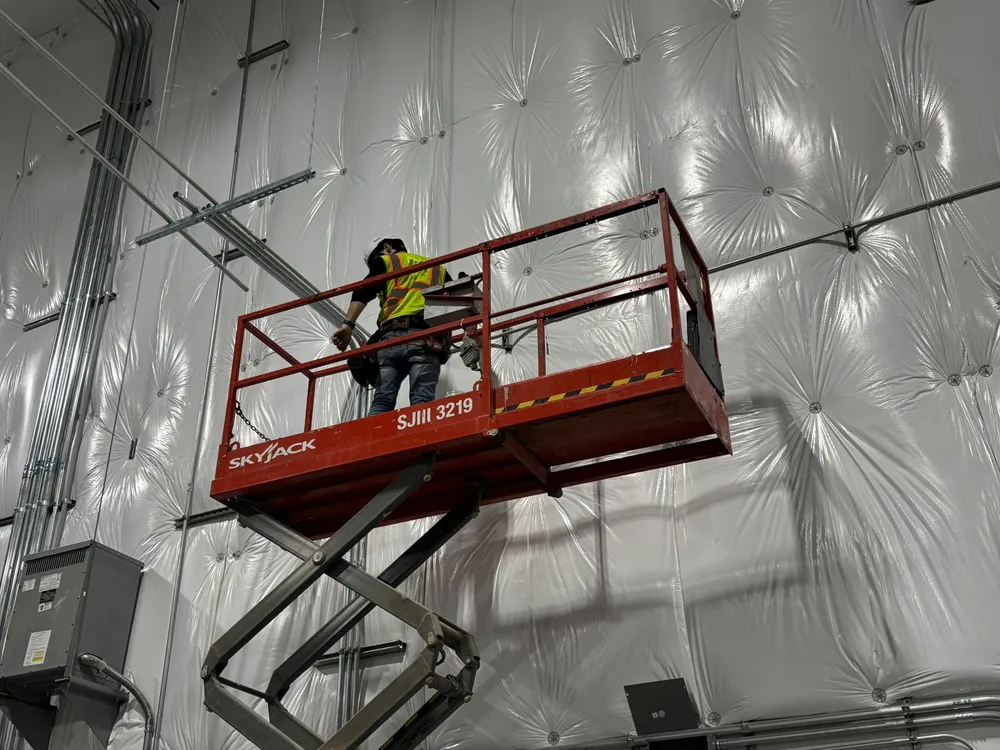
    Facility and load review

    A technician reviews the distribution, panels or switchgear, and affected equipment on-site before proposing a scope.

  2. 2

    Scope and shutdown planning

    Koryente identifies whether the work needs a full outage, a partial isolation, or can proceed live, and sets the window with facility staff.

  3. 3

    Permit and documentation coordination

    Where local permitting or the facility's own documentation requirements apply, those are confirmed and scheduled before work begins.

  4. 4

    Installation, connection, or repair

    Feeder, panel, equipment, or corrective work is completed and every connection is checked against nameplate rating.

  5. 5

    Testing and re-energization

    Circuits and protective devices are tested before the facility returns to operation, and findings are documented for maintenance records.

Serving North Texas

Industrial electrical work across a multi-county service area

Koryente's service area already spans Grayson and Collin counties, plus Fannin County through Whitewright, each with its own permitting and inspection process — a project near a county line can mean coordinating with more than one authority.

A shop-power project for VH Investment Group's CNC shop shows why that sizing matters more than a straight swap: a secondary transformer and 400-amp panel were sized to power ten machines on the shop floor, with an LED retrofit and dedicated workstation circuits added at the same time. Koryente also holds MBE, SBE, WBE, and WOSB certification alongside its GSA Multiple Award Schedule contract — the same credentials that support the industrial and government work described on this page.

Common questions

Industrial Power Systems questions, answered

What does an industrial electrical contractor do?

An industrial electrical contractor installs, connects, and maintains the electrical systems that power manufacturing, warehouse, and processing facilities: distribution, feeders, panels and switchgear, and circuits serving production equipment. Scope is shaped by the facility's load and schedule, not treated as a scaled-up version of general commercial work.

How is industrial electrical work different from commercial electrical work?

Commercial work typically serves offices and retail spaces with predictable loads. Industrial work involves higher-demand equipment, motor circuits, and distribution sized for production loads that change as equipment is added, and it usually has to be scheduled around a shift pattern instead of general business hours.

What drives the cost of industrial electrical work?

Cost is driven by the equipment's load, feeder routing, whether existing panels or switchgear can be reused, and the shutdown window available. A single equipment connection costs far less than a distribution upgrade — Koryente quotes each project after reviewing the facility in person.

Does industrial wiring need to run in conduit?

Often, yes. Conduit is commonly required or preferred in industrial settings because it protects conductors from mechanical damage and activity around production equipment. Whether conduit, cable tray, or another method applies depends on the specific area, code requirements, and the equipment manufacturer's specifications.

Can electrical work be scheduled around a facility's production hours?

Yes, and it usually needs to be. Koryente identifies early which work requires a full shutdown, which can proceed with a partial isolation, and which can be done live, then coordinates that window with facility staff so the outage is planned rather than absorbed as downtime.

Industrial field work

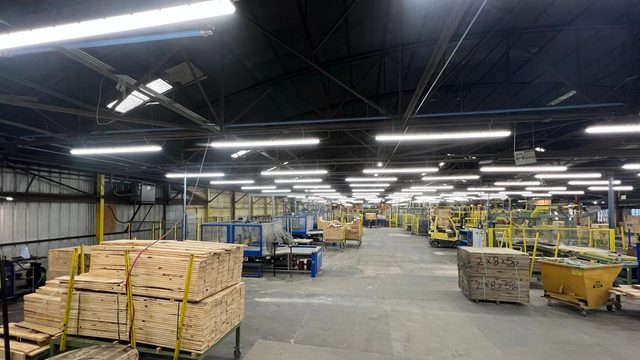
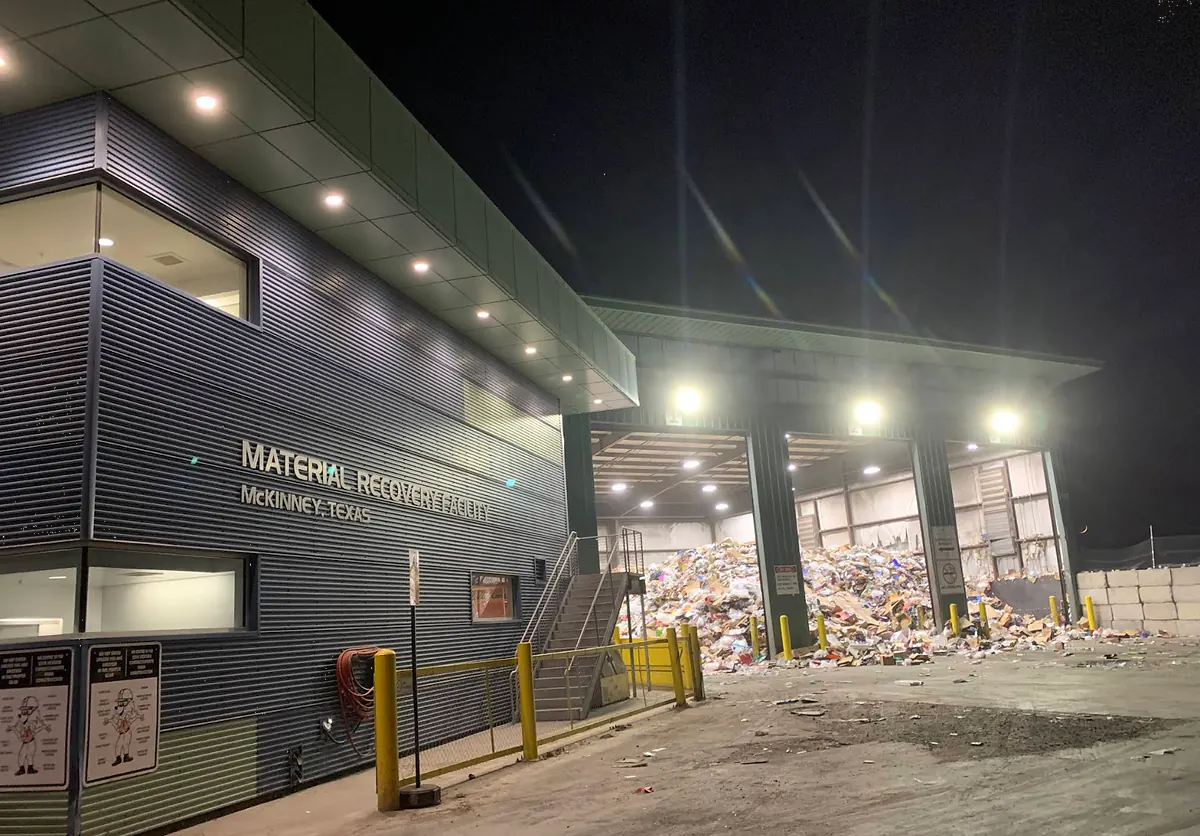
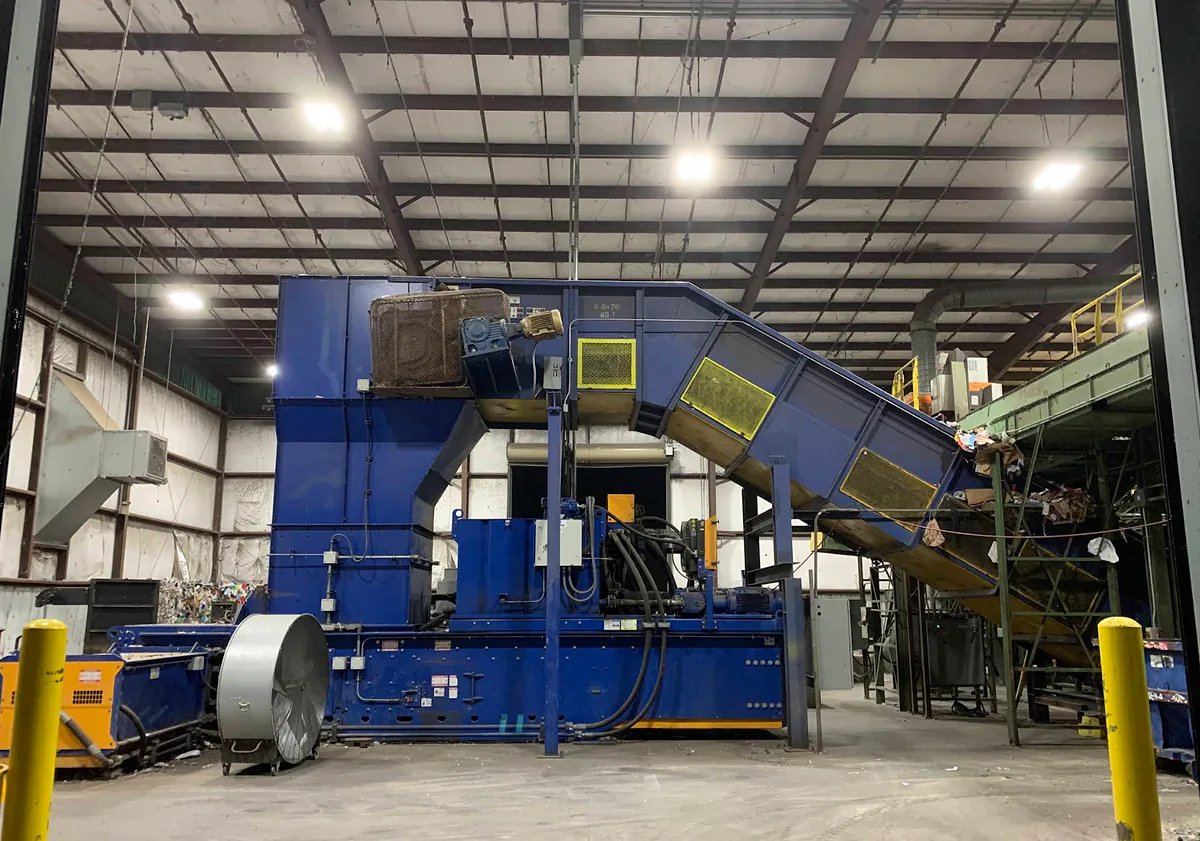
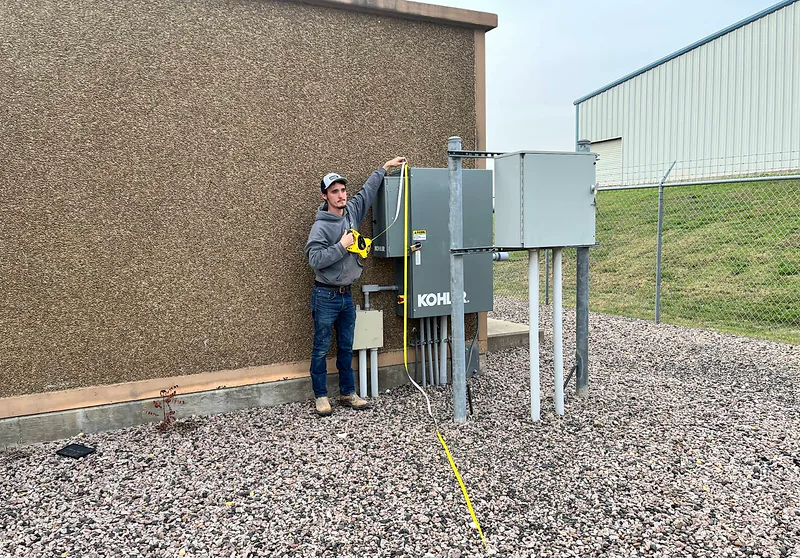
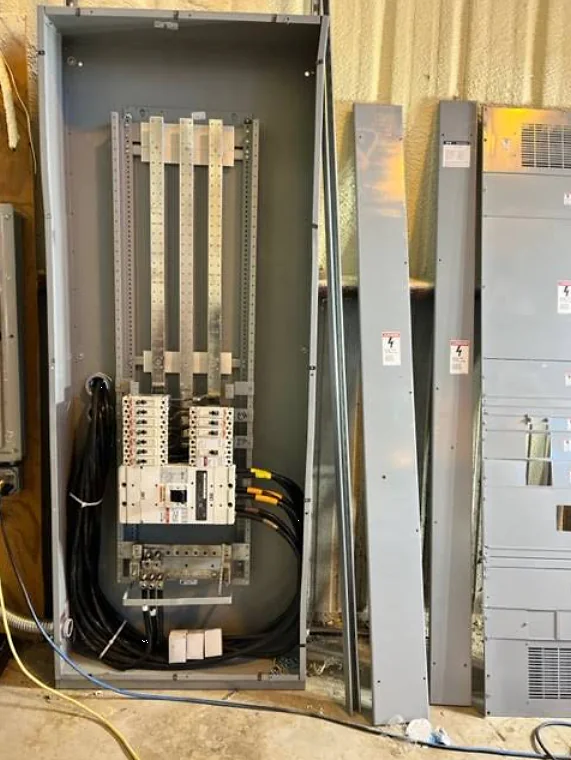
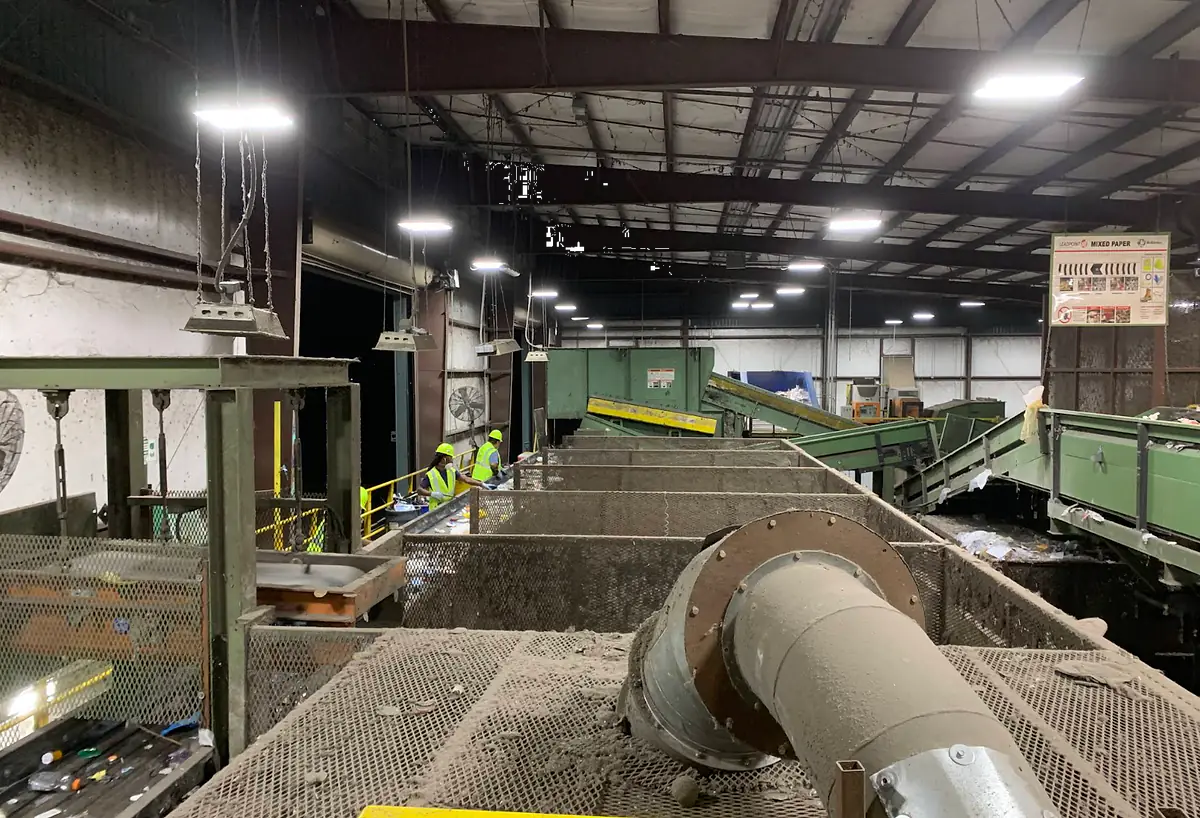
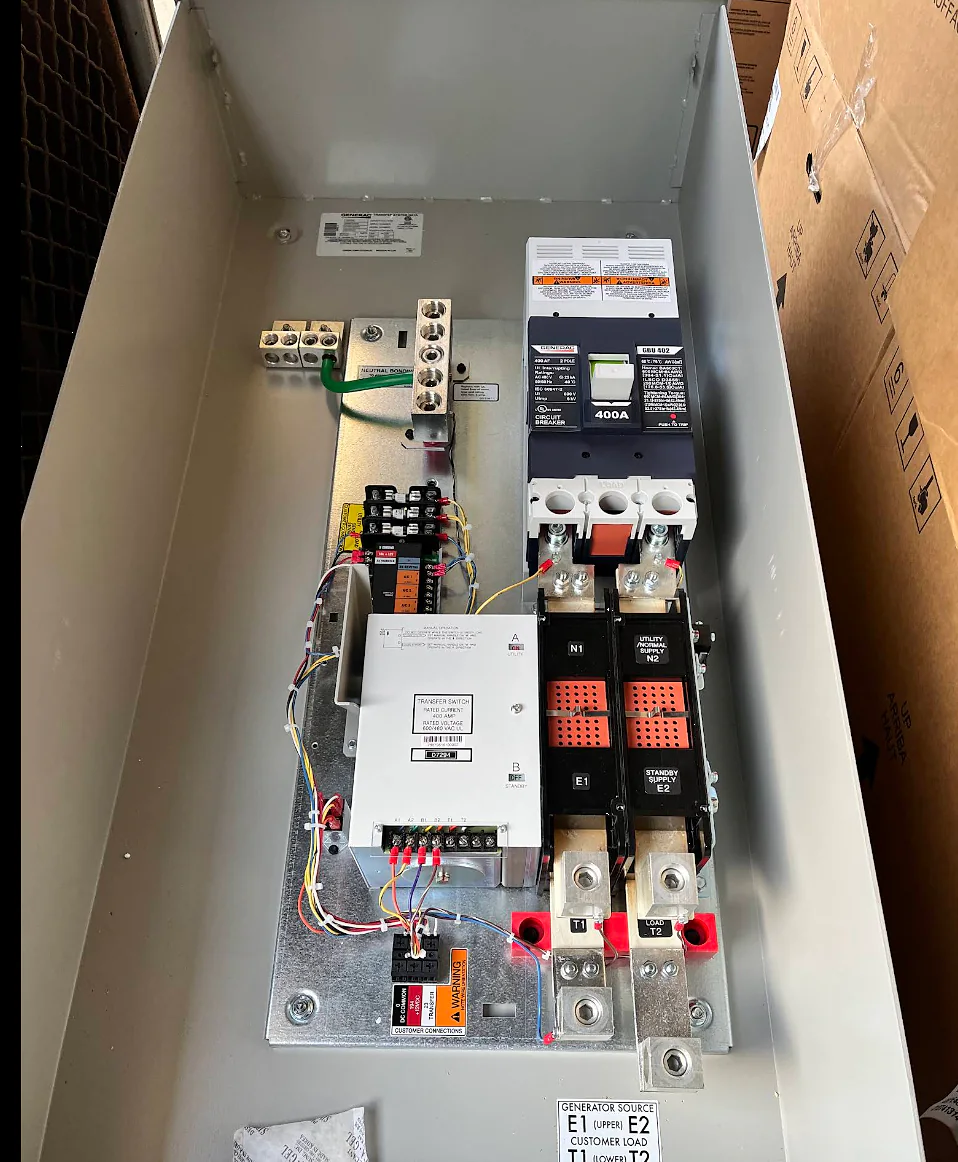
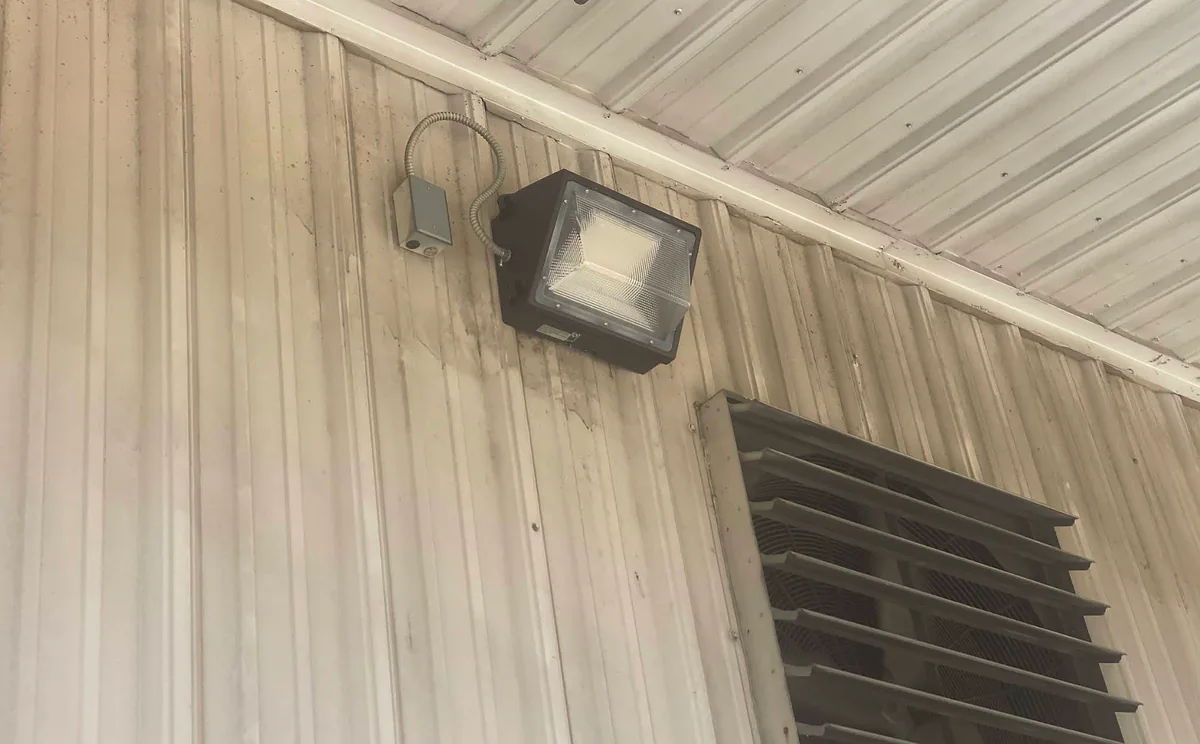
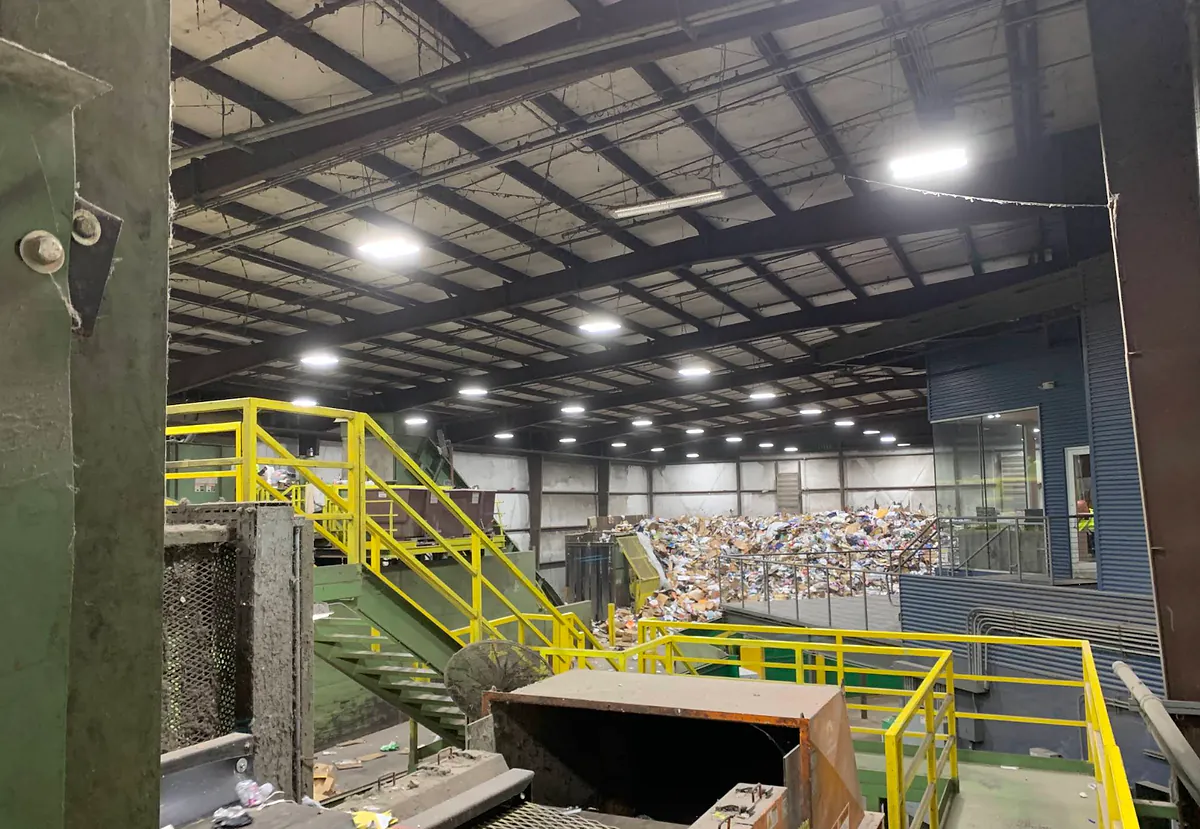
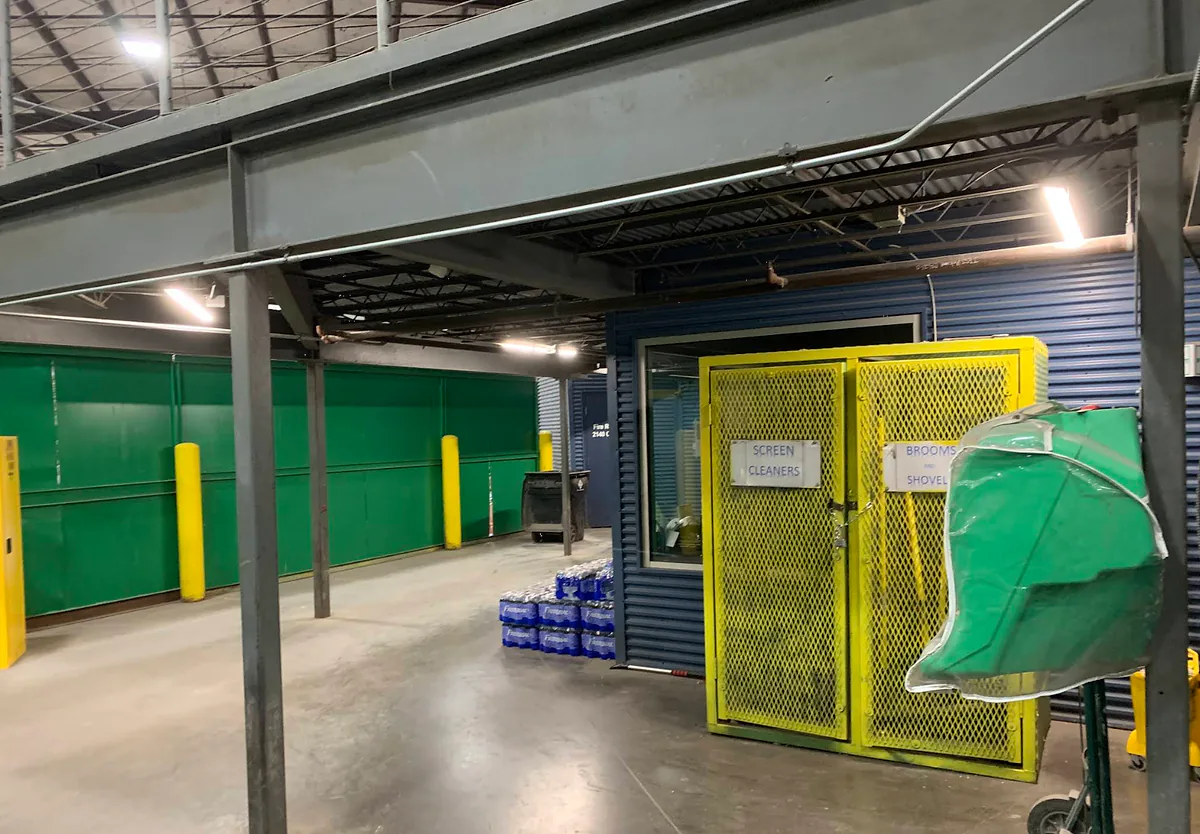
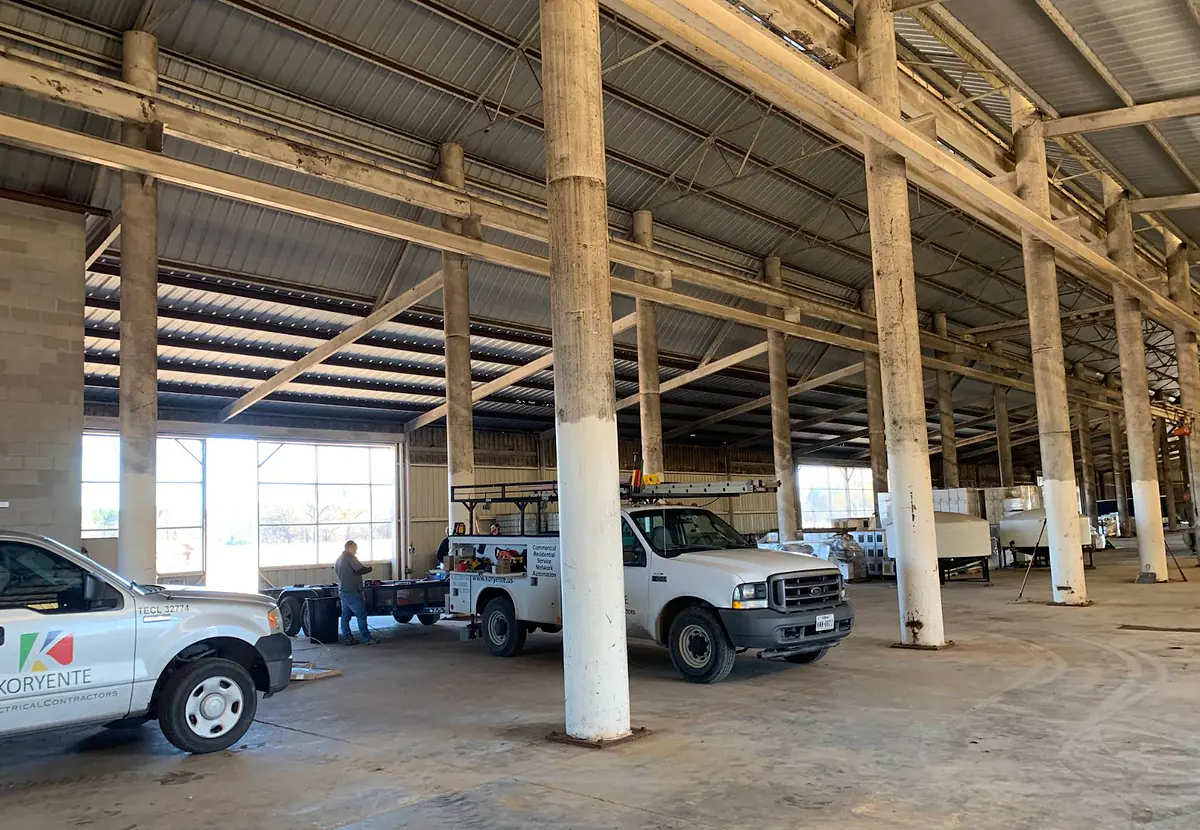
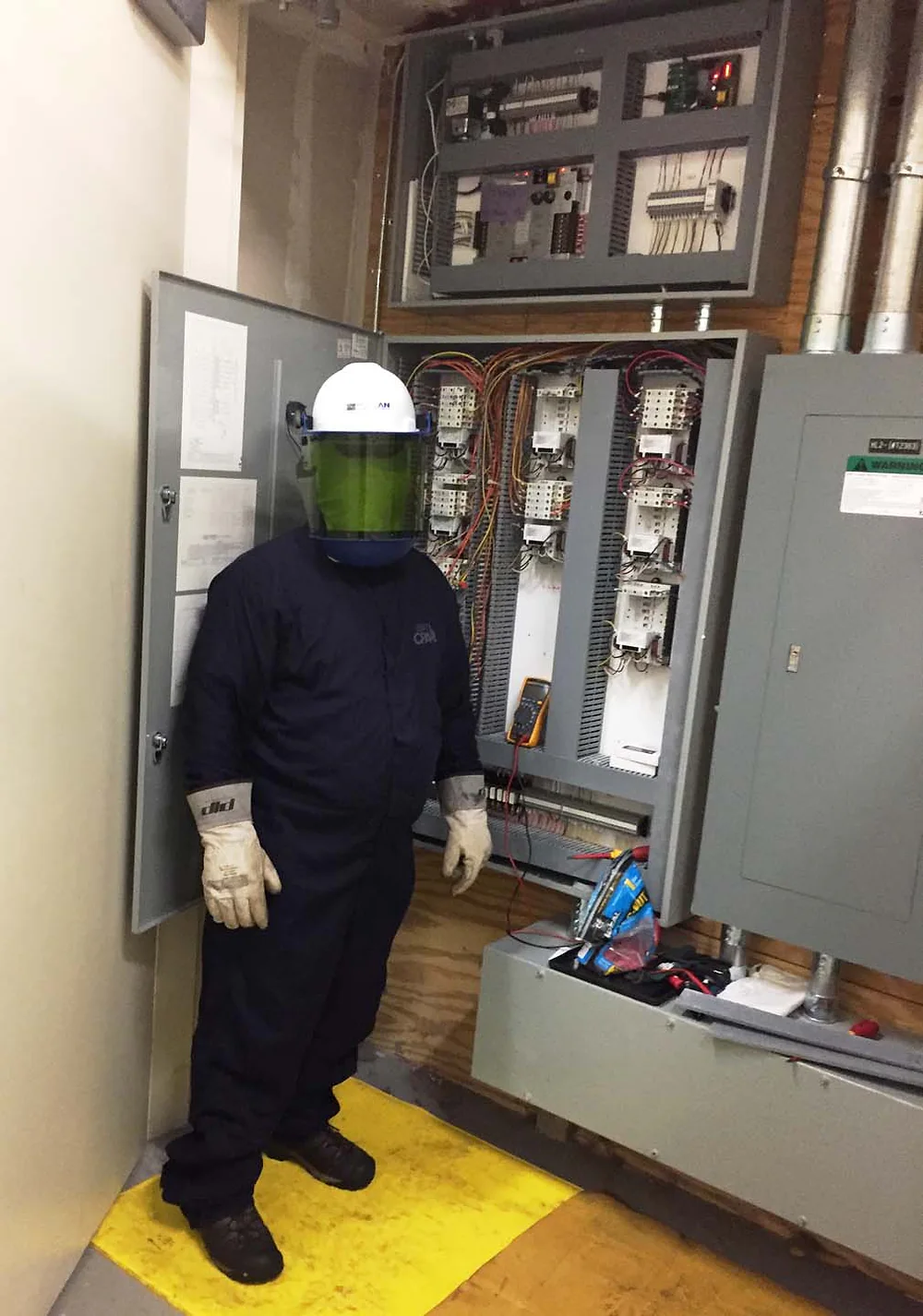
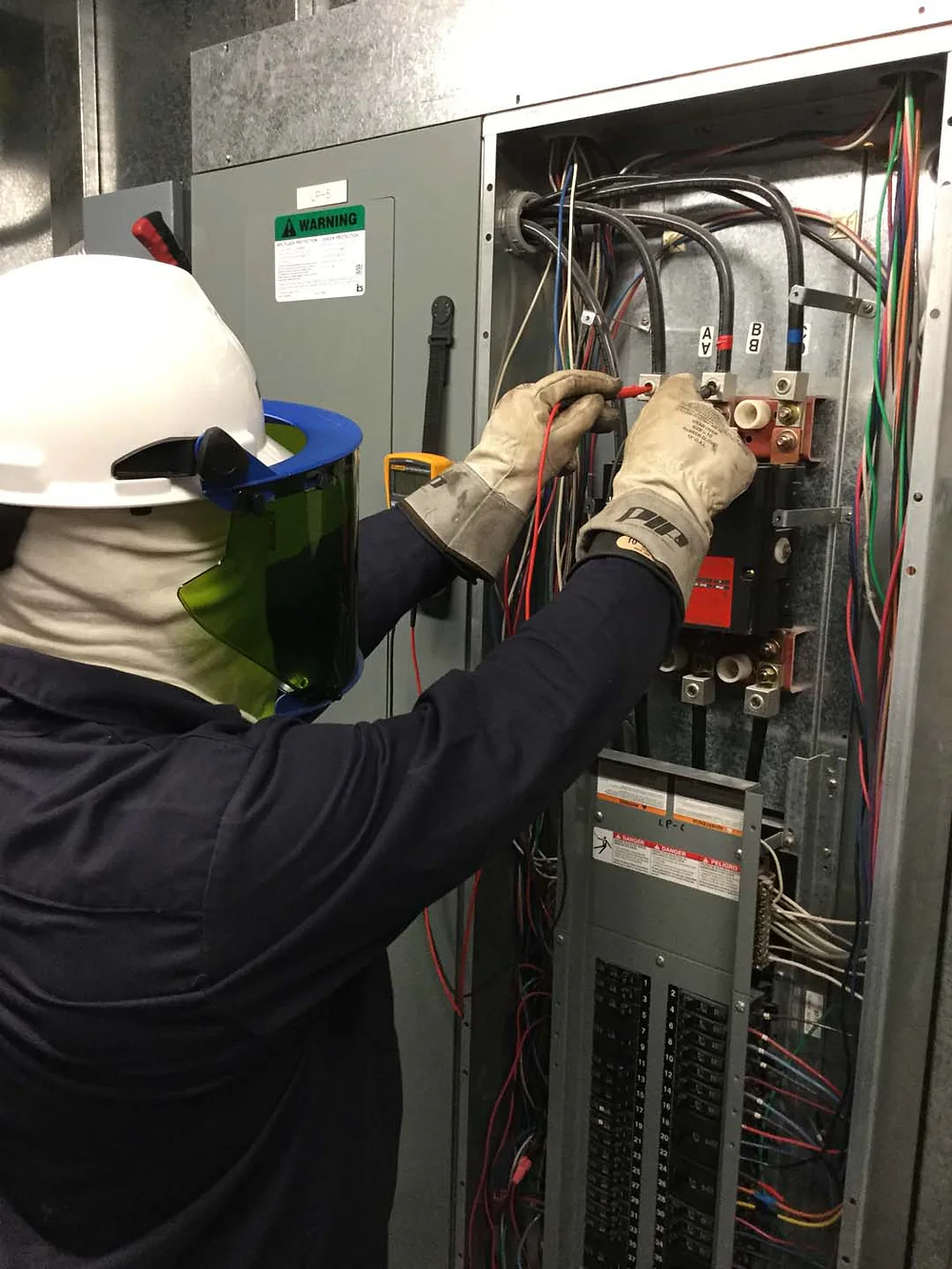
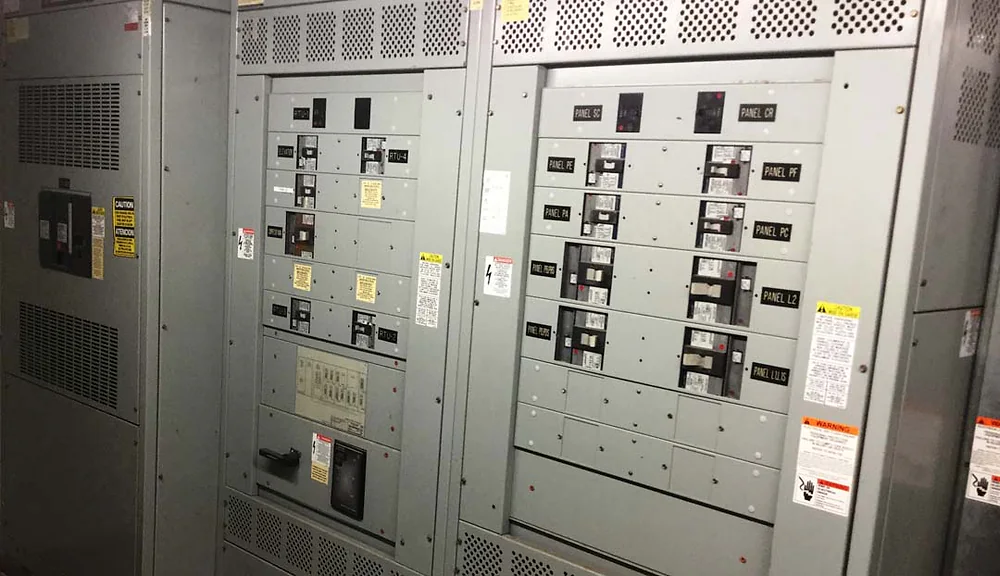
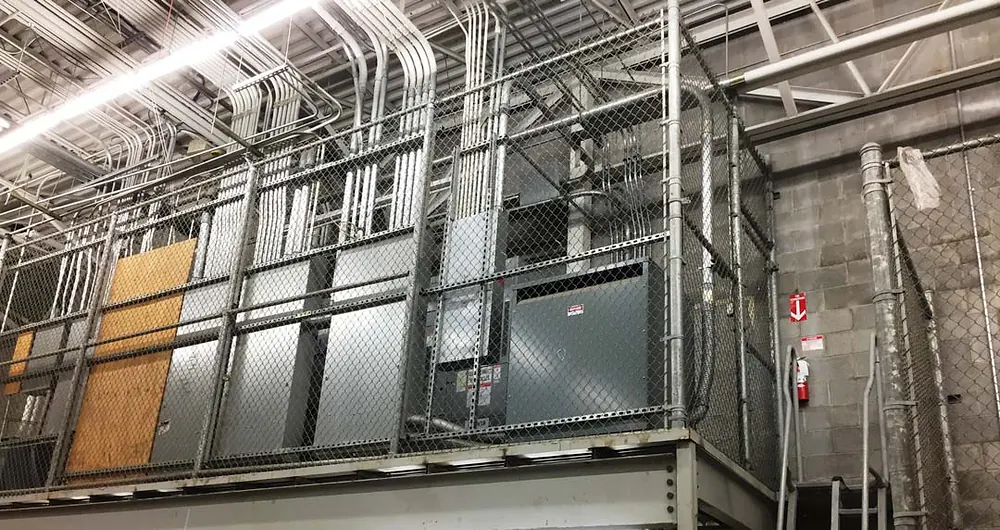
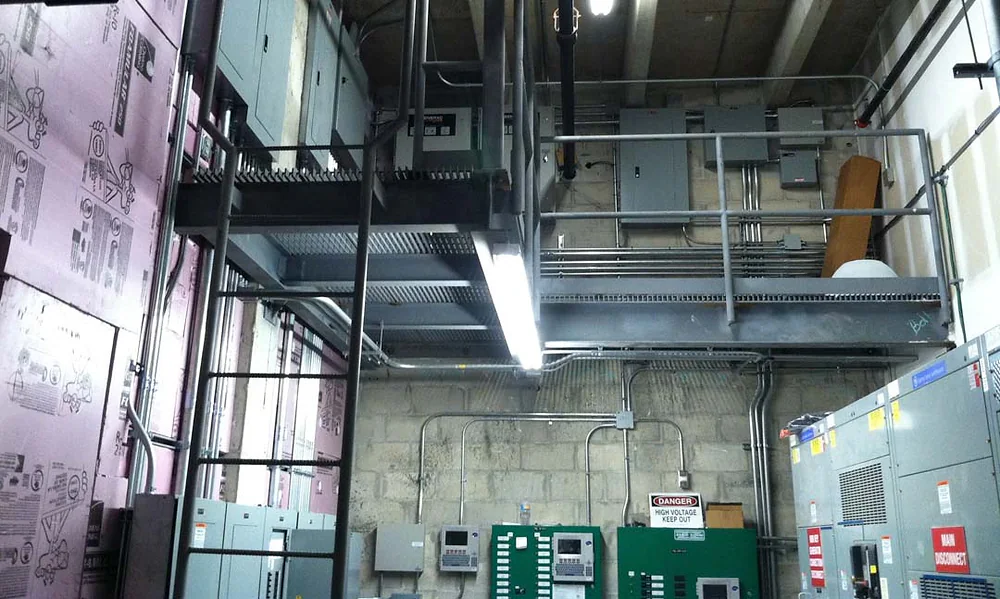
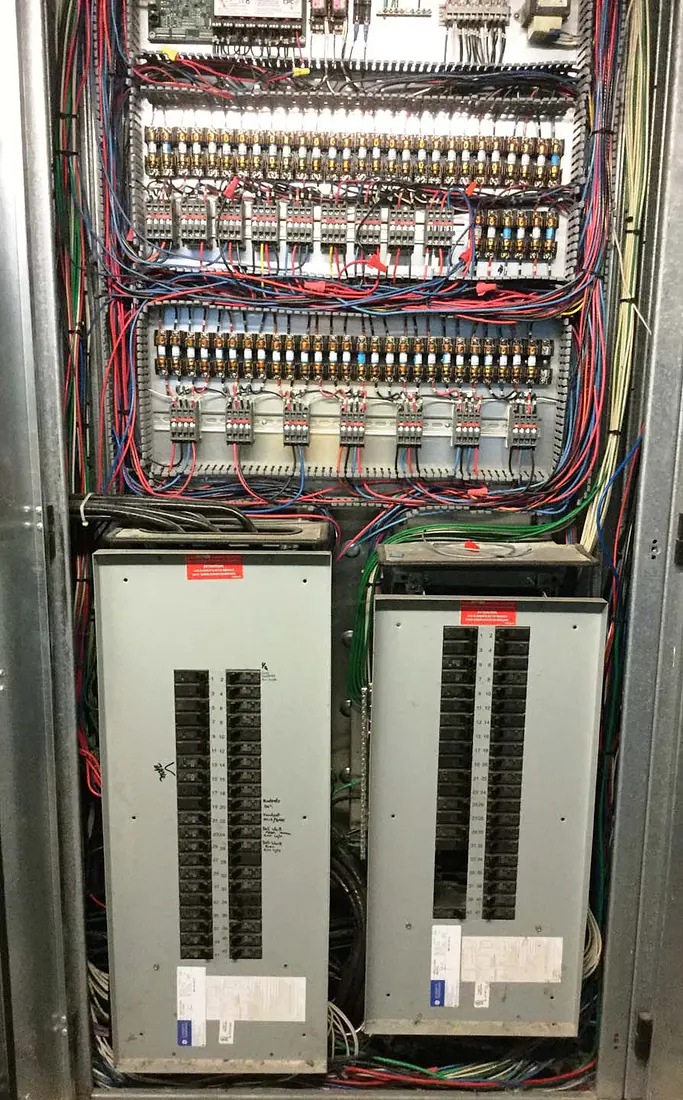
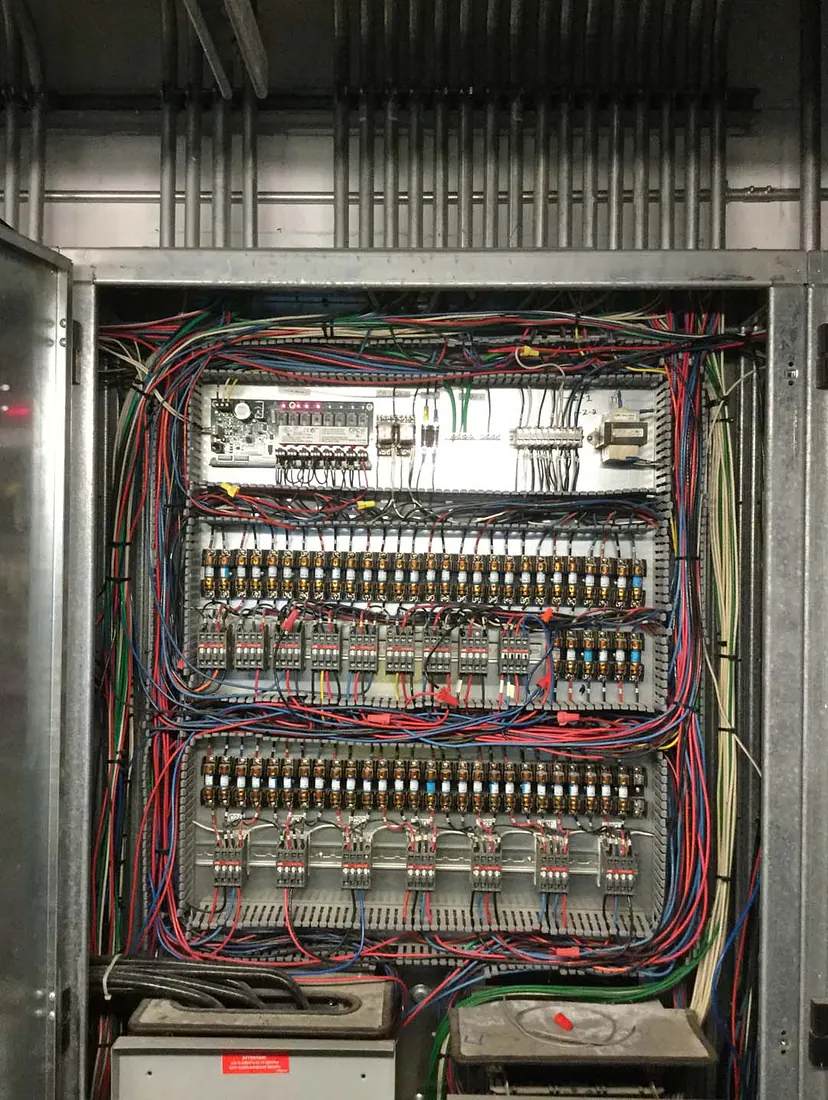
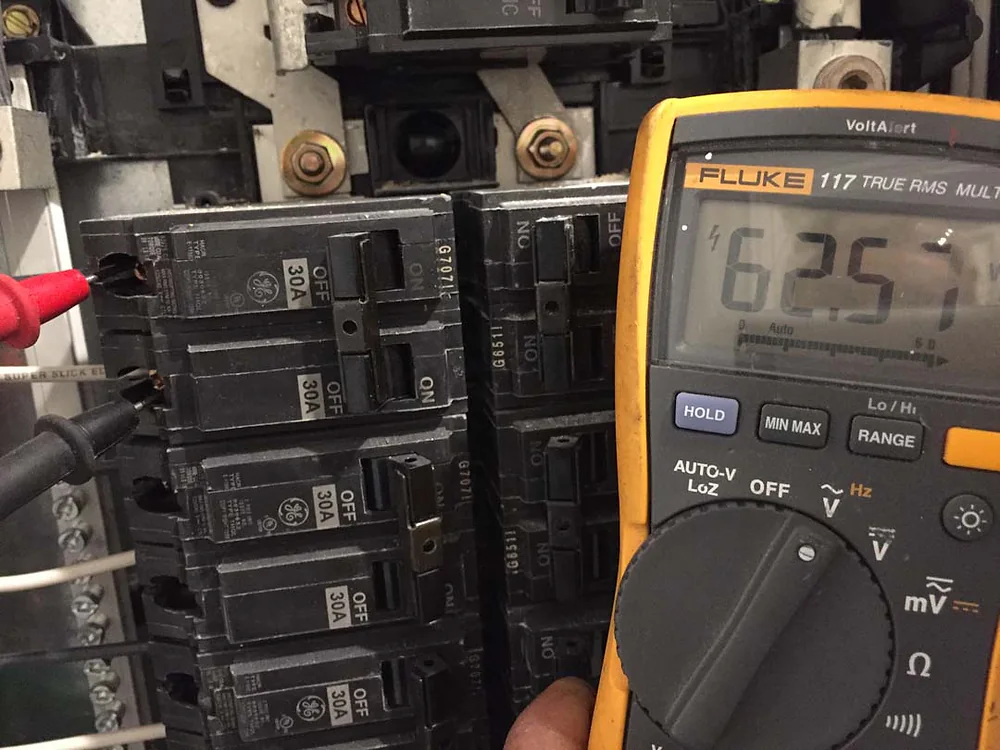
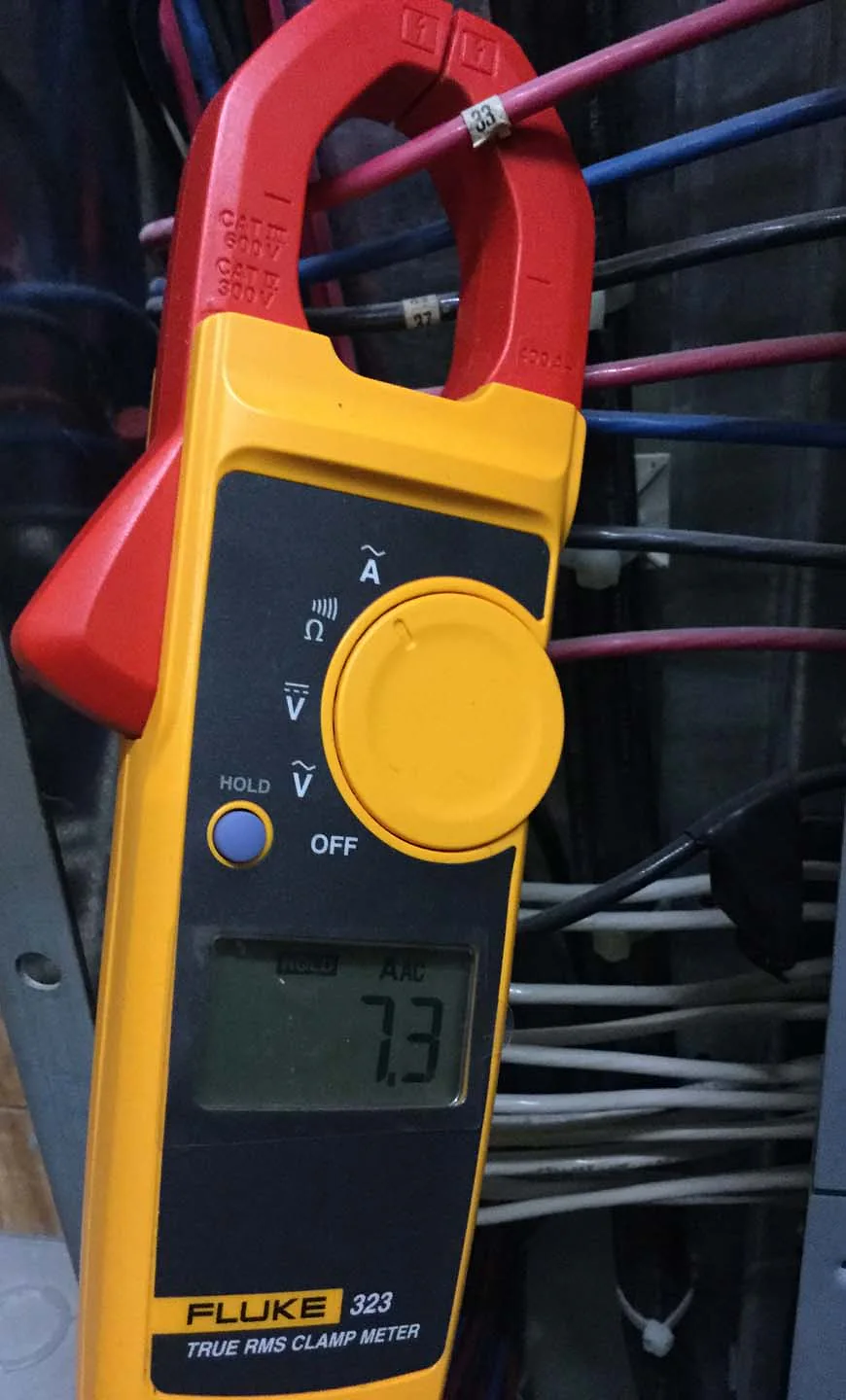
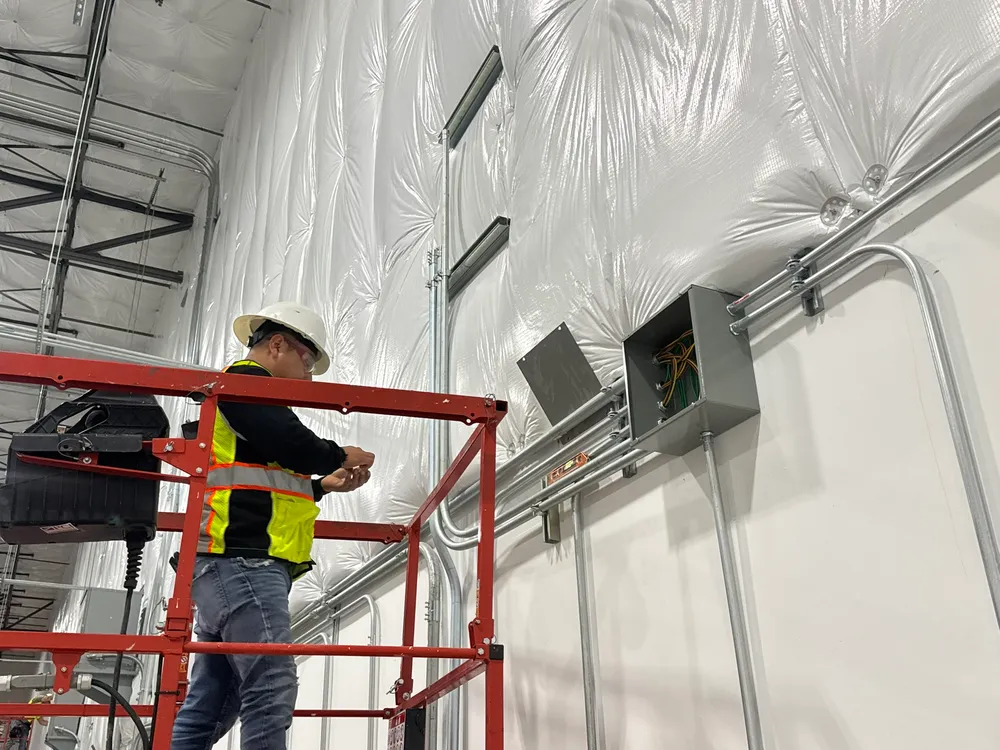
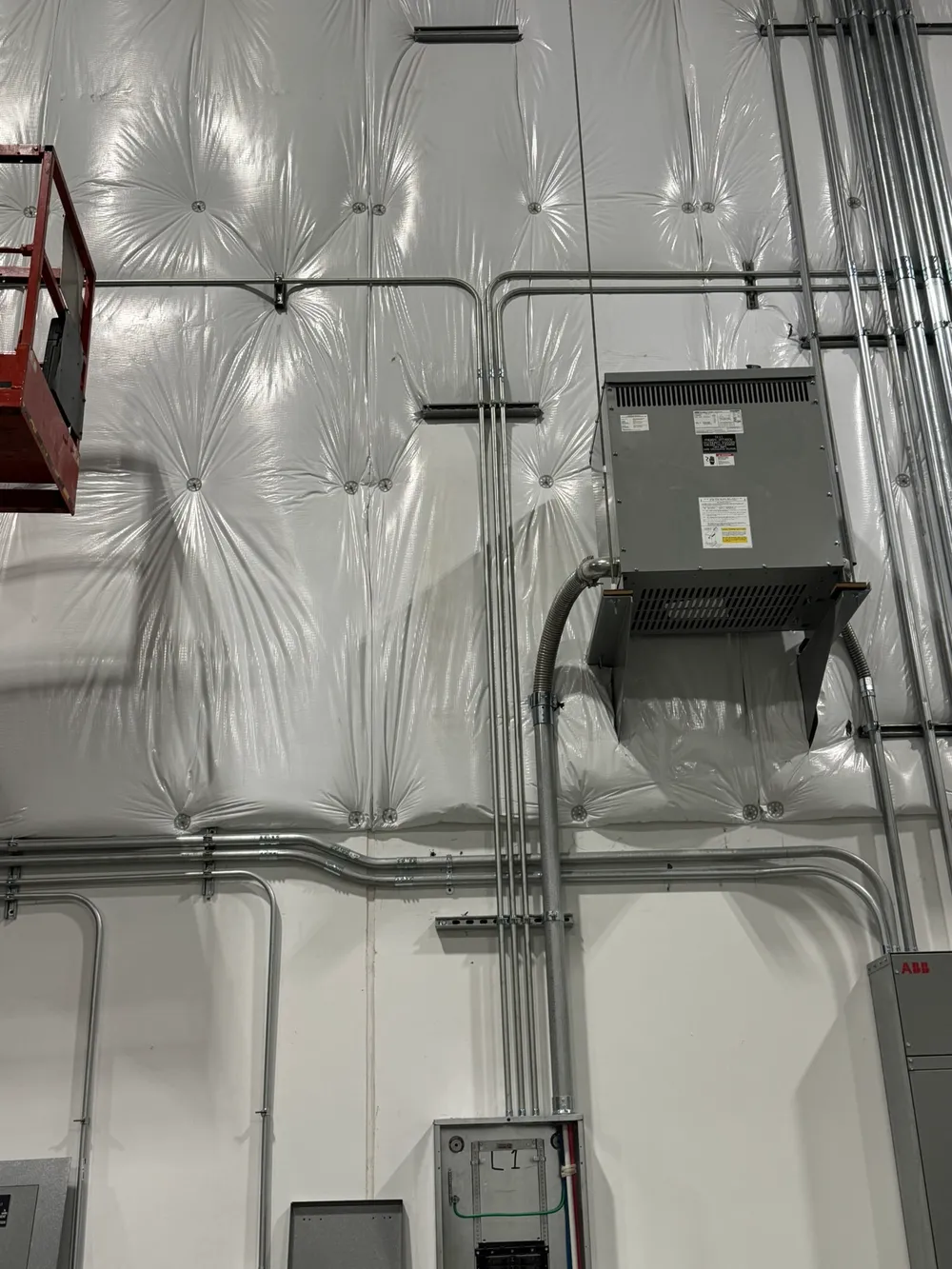
A sample of photos from our industrial jobs: warehouse power distribution, equipment power, switchgear, control panels, generator and transfer equipment, conduit, and lighting. It is only part of the work we do; the project portfolio has more.

Showing 6 of 35 photos

Ready when you are

Tell us what your electrical project needs

Start with a few details. Our team will route your request to the right residential, commercial, government, or industrial intake.

Request electrical service

Prefer to talk? (214) 810-6681

Pick your project type and share a few details. We’ll route it to the right team.